
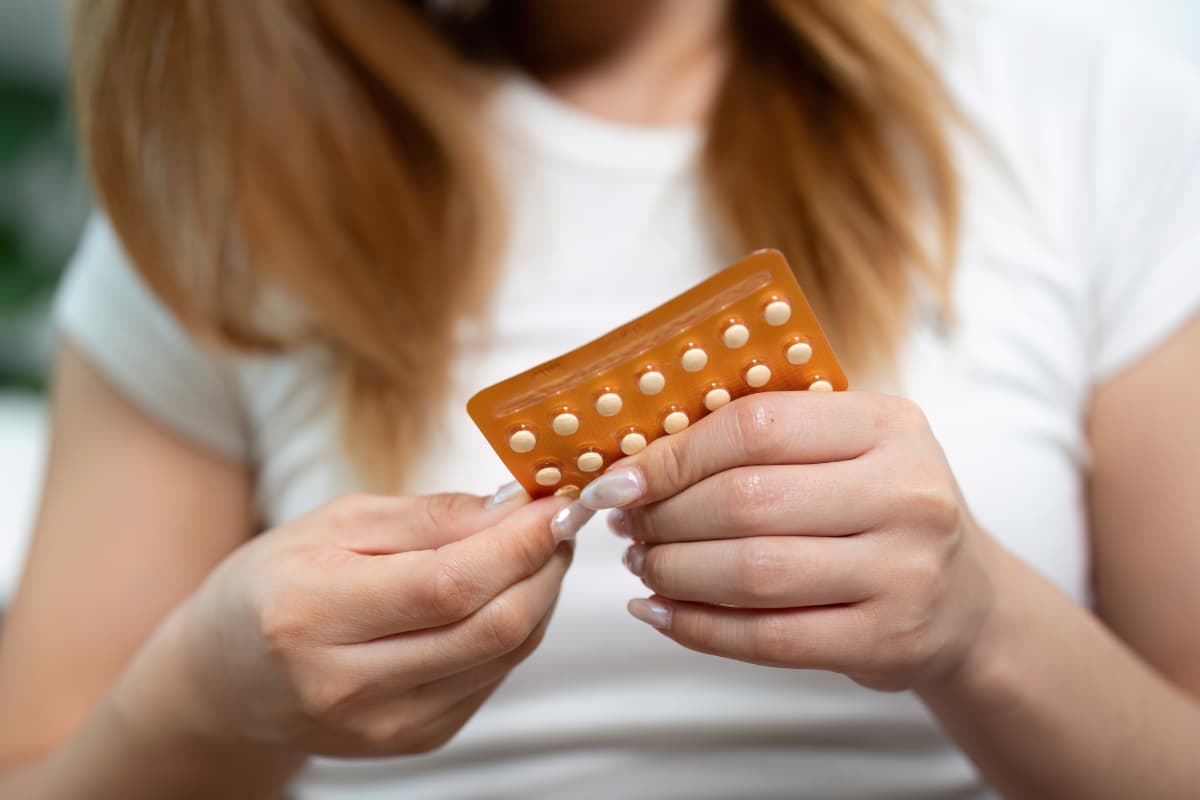
Birth control is an important and often empowering healthcare choice for many people. It can help prevent pregnancy, regulate menstrual cycles, reduce acne, and manage painful symptoms like cramps or hormonal imbalances. But for some individuals, starting or changing birth control comes with emotional side effects they didn’t expect.
If you’ve noticed mood changes, emotional numbness, increased anxiety, or symptoms of depression after beginning birth control, you’re not alone—and you’re not imagining things. Many people ask the same question: can birth control cause depression?
The answer isn’t simple. Hormonal birth control doesn’t affect everyone the same way, and depression is rarely caused by a single factor. Still, hormones play a powerful role in brain chemistry, emotional regulation, and mental health.
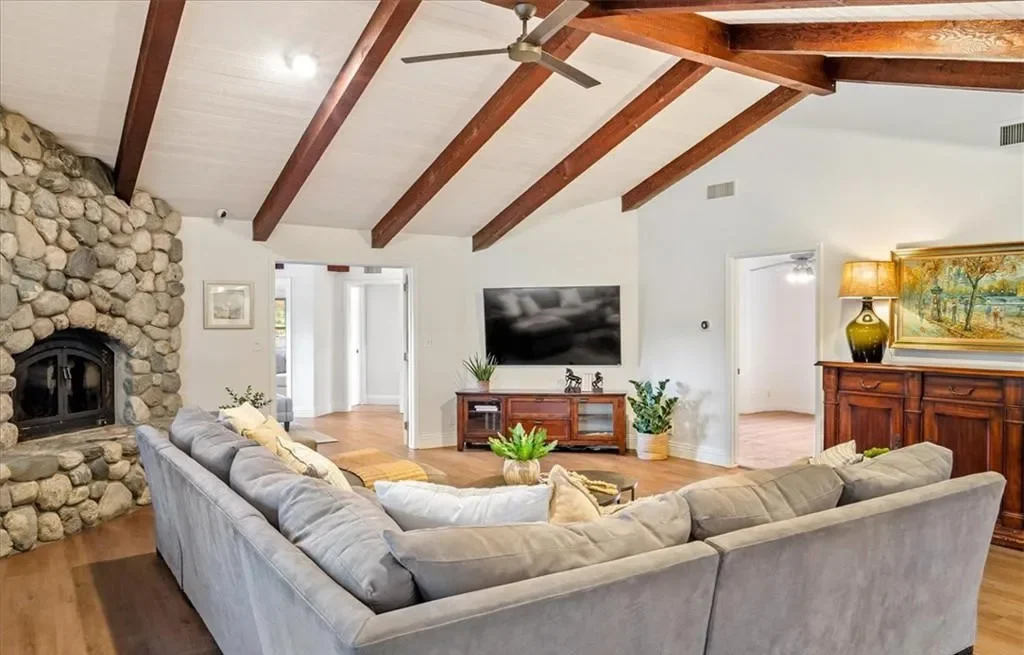
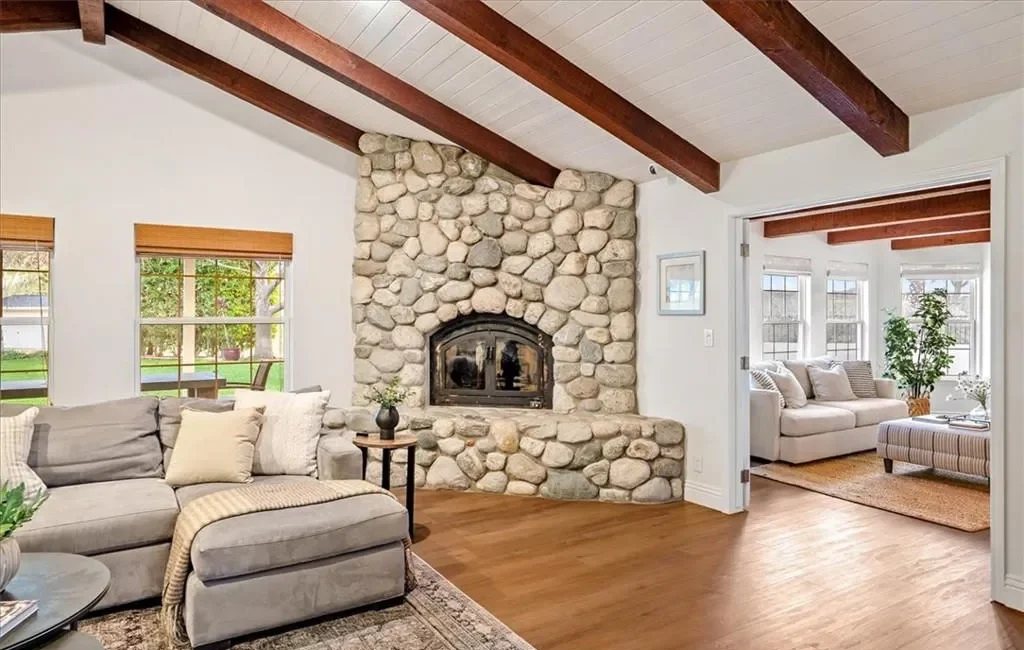
At Robles Ranch Mental Health, a luxury retreat-style residential mental health program in Paso Robles, California, care is deeply individualized. Their team understands how biological changes—like shifts in hormones—can interact with emotional history, stress, and trauma to impact mental well-being.
Learn more about our luxury mental health treatment programs.
Call us now at 866-840-3841 or verify your insurance now.
How Hormonal Birth Control Can Influence Mood
Hormonal birth control works by altering levels of estrogen and/or progestin in the body. These hormones don’t just regulate the reproductive system—they also influence neurotransmitters like serotonin and dopamine, which are closely tied to mood, motivation, and emotional balance.
For some people, these hormonal changes are barely noticeable. For others, they can lead to emotional shifts that feel confusing or unsettling. This doesn’t mean birth control causes depression outright, but it may contribute to changes in mood for individuals who are hormonally sensitive or already vulnerable to mental health challenges.
Hormones can affect how the brain processes stress, emotions, and pleasure. When that balance is disrupted, symptoms of depression may emerge or intensify.
What Research Says About Birth Control and Depression
Research on birth control and depression shows mixed—but important—findings. Some large-scale studies have found a link between hormonal contraceptive use and increased reports of depressive symptoms, particularly among adolescents and young adults. Other studies suggest minimal impact for the general population.
What this tells us is that birth control does not affect everyone equally. It may act as a trigger rather than a root cause, especially when other risk factors are present.
Those risk factors can include:
- A personal or family history of depression or anxiety
- Sensitivity to hormonal changes (such as postpartum mood shifts)
- High stress levels or unresolved emotional trauma
- Major life changes happening alongside birth control use
Understanding these nuances helps explain why one person may feel emotionally stable on birth control while another struggles.
Types of Birth Control More Commonly Linked to Mood Changes
Not all birth control methods affect mood in the same way. Hormonal methods are more often associated with emotional side effects than non-hormonal options.
Some hormonal methods that have been linked to mood changes include:
- Combination birth control pills (estrogen and progestin)
- Progestin-only pills
- Hormonal IUDs
- Birth control injections or implants
Non-hormonal options, such as copper IUDs, generally don’t influence mood in the same way because they don’t alter hormone levels. However, individual responses vary widely, and there’s no universal “best” option.
Signs Birth Control May Be Affecting Your Mental Health
Mood-related side effects don’t always show up immediately. Sometimes they build gradually and are easy to dismiss as stress or burnout.
Signs that birth control may be impacting your mental health include:
- Persistent sadness or low mood lasting several weeks
- Increased anxiety or emotional sensitivity
- Loss of interest in activities you once enjoyed
- Changes in sleep, appetite, or energy
- Feeling emotionally numb, detached, or unlike yourself
If these symptoms begin shortly after starting or changing birth control—or worsen over time—it’s worth paying attention.

Depression Is Usually More Than One Thing
It’s important to understand that depression is rarely caused by hormones alone. Mental health is shaped by a combination of biological factors, emotional history, environment, and current stressors.
At Robles Ranch, treatment focuses on uncovering the full picture. For some clients, hormonal shifts may have intensified underlying depression, unresolved trauma, or chronic stress. For others, birth control may have coincided with life transitions that overwhelmed their emotional capacity.
Healing requires addressing root causes—not just symptoms.
When It’s Time to Seek Professional Support
If you’re questioning whether birth control is affecting your mental health, seeking support sooner rather than later can make a significant difference.
Professional help may be especially important if:
- Depressive symptoms persist longer than a few weeks
- Mood changes interfere with work, relationships, or daily life
- You feel hopeless, emotionally stuck, or disconnected
- Anxiety or emotional distress feels overwhelming
Support doesn’t always mean stopping birth control immediately. A comprehensive evaluation can help determine whether hormonal factors, mental health conditions, or both are contributing to how you’re feeling.
A Whole-Person Approach to Healing
Medication adjustments can be helpful, but many people need more than that to truly heal. Emotional regulation, nervous system support, and trauma-informed care are often essential parts of recovery.
At Robles Ranch Mental Health, clients benefit from a retreat-style environment that integrates clinical care with holistic therapies, including:
- Individual and group therapy
- Sound healing and guided meditation
- Inner child and trauma-informed work
- Nature-based therapy and guided hikes
- Highly personalized treatment planning
This approach allows individuals to step away from daily stressors and reconnect with themselves in a safe, restorative setting.
Get Help Now
If you or a loved one is struggling with mental health issues or dual diagnosis disorders and seeking a balanced approach to recovery, our luxury mental health programs in California may be the right choice.
Latest Posts

Complex Trauma Residential Treatment

Silent Panic Attack

12 Traits of a Narcissist
Contact Us For Support
If you’re asking “can birth control cause depression?”, it’s likely because something doesn’t feel right—and that matters.
Robles Ranch Mental Health provides compassionate, individualized residential treatment for adults experiencing depression, anxiety, and emotional distress in Paso Robles, California. Their luxury program blends evidence-based care with holistic therapies designed to support deep, lasting healing.
If you’re struggling with mood changes or depression and need clarity or support, reach out today. You don’t have to navigate this alone.