
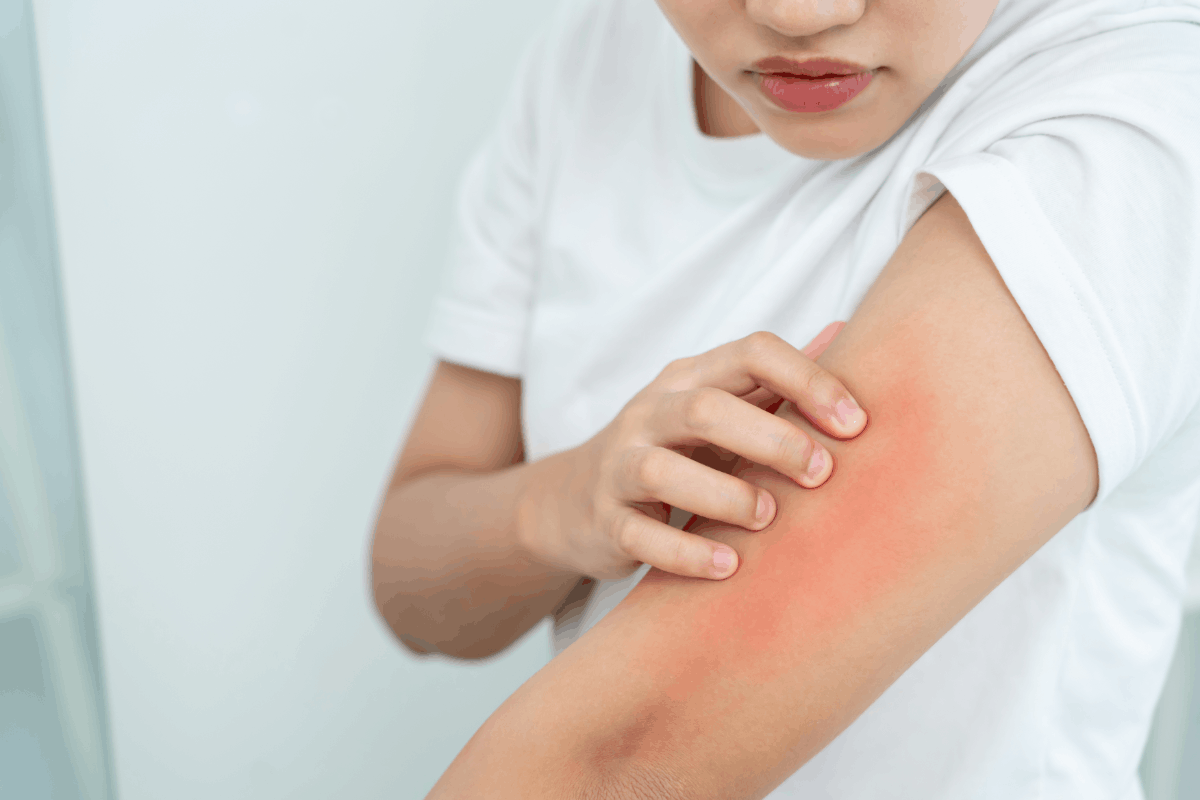
Do you engage in skin-picking or know someone who does? It can be a baffling and sometimes dangerous thing to do, but is it self-harm?
We explore skin-picking, what it means, and how to stop doing it to help people who deal with this habit. R
Robles Ranch provides treatment for symptoms of mental health disorders at our luxurious, private retreat in a scenic part of California.
Learn more about OCD Treatment in California or verify your insurance now.
What is Skin-Picking?
Skin-picking, also known as dermatillomania or excoriation disorder, is often a symptom of a mental health disorder, such as anxiety, depression, or obsessive-compulsive disorder (OCD).
The individual picks at their skin or reopens wounds in a ritualistic behavior, which is considered a body-focused repetitive behavior.
People who skin-pick risk damaging their skin and getting infections or wounds that don’t heal properly.
Skin-picking usually begins during adolescence, around the time of puberty, but can also occur in adults.
Approximately 1.4% and 5.4% of adults in the U.S. have engaged in the activity, and it’s more common in women than men.
Is Skin-Picking a Form of Self-Harm?
When someone picks at their skin habitually, it can be a form of self-harm.
The picking is not something a person does unconsciously, but rather deliberately, regularly, and often during certain times of stress and emotional chaos.
While many people self-harm by skin-picking to deal with a mental disorder and as a way to self-punish, it can also be related specifically to OCD because the person feels a compulsive need to pick at their skin.
Why Does Someone Self-Harm?
Self-harm, including skin-picking, appears baffling to those who do not do it.
In fact, those who self-harm often don’t know what drives them to this underground behavior. People hurt themselves for different reasons, and this will be explored when they attend a treatment program.
This is because the act of self-harming is not the actual problem, but the symptom of something else deeper going on, such as a mental illness.
People who self-harm sometimes do it as a way to soothe themselves when they are faced with difficult emotions, thoughts, or memories.
For example, feelings of depression, anxiety, or PTSD can be overwhelming. A person might hurt themselves as a way to distract from what’s clouding their mind.
Others may do it because they believe they deserve to be punished. For some, it’s a cry for help that doesn’t require them to use their words to express their pain. Unfortunately, the message is often lost in translation by their loved ones.
Self-harm can also be a way to stop a flood of difficult thoughts and feelings. For others, it’s about feeling so numbed out that they hurt themselves just to feel something.
Signs and Symptoms of Self-Harm
Skin-picking can seem like a strange thing to do because many people do not realize it’s a form of self-harm.
Other signs of self-harm include:
- Cuts
- Bruises
- Scars
- Broken bones
- Bite marks
- Scratches
- Injuries with no valid explanation
- Wearing long sleeves, pants, and other clothing to hide self-harm injuries
- Possessing or hiding objects used to self-harm, such as razors and lighters
- Excessive use of bandages and other first-aid items
- Spending time alone
People who self-harm also frequently deal with depression, anxiety, and a feeling of hopelessness. Some of them have suicidal thoughts, especially if their mental health disorders go untreated.
Does Therapy Help People Who Self-Harm?
Therapy helps people who have mental health disorders, including symptoms such as skin-picking.
Upon entrance to a treatment facility, an assessment will be done to determine which types of therapy will provide the best results.
Some are individual psychotherapy, while others are done in a group setting or involve an activity. Common types of therapy used to treat people who self-harm include:
- Animal-Assisted Therapy
- Holistic Therapy
- Inner Child Work
- Psychiatry
- Somatic Therapy
- Family Therapy
- Group Therapy
- Cognitive Behavioral Therapy
- Dialectical Behavioral Therapy
- Biosound Therapy
What Kind of Programs Treat Self-Harm?
When it comes to treating self-harm and related mental health disorders, people have two choices.
Outpatient programs help people who can continue living in their homes and travel to their appointments during the day.
For many, residential treatment proves more effective. They benefit from leaving the stress of their day-to-day lives behind and moving into a stylish and modern facility for round-the-clock care.
The individual attends various types of therapy to talk about their issues and learn healthy coping skills.
Begin Treatment for Self-Harm In Northern California
Do you recognize yourself as someone who engages in skin-picking and want to find out how to help treat the illness behind the symptom?
Robles Ranch believes in helping people discover their inner strength and sort through the challenging issues they face. Our intimate setting of only six beds means you get the attention you deserve to help you heal and regain your good mental health. Our care team also provides access to prescription medications and monitors the results.
Learn more by calling us at 866-840-3841 or verify your insurance now.
Get Help Now
If you or a loved one is struggling with mental health issues or dual diagnosis disorders and seeking a balanced approach to recovery, our luxury mental health programs in California may be the right choice.
Latest Posts

Complex Trauma Residential Treatment

Silent Panic Attack
What Are Brain Zaps? Understanding SSRI Side Effects



Begin Treatment for Mental Health Disorders at Robles Ranch
Has stress overtaken you to the point that you find it difficult to function in your personal and professional life? Robles Ranch understands how to assess you to determine if you have a mental health disorder that influences your high stress levels. We offer multiple types of therapy modalities that teach you healthy coping skills to keep stress from ruling your life. We also provide prescription medications that help ease symptoms like anxiety, moodiness, and depression.
Contact us today to find out how we can bring back a calmer you who feels refreshed and ready to deal with your personal and professional life. Ask us about our free insurance verification that can help you understand your financial options.