
Attachment styles shape how we connect with others, handle emotional intimacy, and respond to stress in relationships. For many people, these patterns form early in life and quietly influence romantic relationships, friendships, family dynamics, and even how they cope with addiction or mental health challenges. One of the most confusing and emotionally exhausting patterns is the anxious avoidant attachment style.
People with an anxious avoidant attachment style often feel caught in a painful push-and-pull cycle. They crave closeness and reassurance, yet feel overwhelmed or unsafe when intimacy deepens. This internal conflict can lead to unstable relationships, emotional shutdowns, fear of abandonment, or reliance on unhealthy coping mechanisms.
At Robles Ranch Mental Health, a luxury residential treatment center in Paso Robles, California, we frequently work with individuals whose attachment wounds are deeply connected to substance use, anxiety, depression, and relationship distress. Through holistic, trauma-informed care—including inner child work, meditation, sound healing, and nature-based experiences like guided hikes—clients can begin to understand and heal the roots of anxious avoidant attachment.
This article offers a clear, compassionate look at what anxious avoidant attachment is, where it comes from, how it affects adulthood, and how healing is possible with the right support.
Learn more about our luxury mental health treatment programs.
Call us now at 866-840-3841 or verify your insurance now.
What Is Anxious Avoidant Attachment?
Anxious avoidant attachment—sometimes referred to as fearful avoidant attachment—is a pattern characterized by conflicting desires for closeness and distance. People with this attachment style often want deep emotional connection but fear getting hurt, rejected, or overwhelmed once they get close.
This attachment style typically develops when early caregivers were:
- Inconsistent or unpredictable
- Emotionally unavailable at times
- A source of both comfort and fear
- Loving but dismissive of emotional needs
As a result, the child learns that relationships are both necessary and unsafe. This belief often carries into adulthood, shaping how individuals relate to others and themselves.

Core Traits of Anxious Avoidant Attachment
While everyone experiences attachment differently, common traits of anxious avoidant attachment include:
- Intense fear of abandonment paired with fear of intimacy
- Difficulty trusting others’ intentions
- Strong emotional reactions followed by withdrawal
- Desire for closeness, followed by sudden distancing
- Feeling “too much” or “not enough” in relationships
- Struggles with emotional regulation
- People-pleasing followed by resentment or shutdown
These patterns are not character flaws—they are learned survival responses that once served a purpose.
How Anxious Avoidant Attachment Shows Up in Relationships
In adult relationships, anxious avoidant attachment can feel confusing for both the individual and their partner. There may be periods of deep emotional closeness followed by abrupt withdrawal, emotional numbing, or pushing others away.
Common relationship patterns include:
- Becoming highly attached early, then pulling back
- Feeling overwhelmed by emotional needs (their own or others’)
- Testing partners to see if they’ll leave
- Avoiding vulnerability while craving reassurance
- Interpreting neutral situations as rejection
- Sabotaging healthy relationships
This cycle can leave individuals feeling lonely, misunderstood, and emotionally exhausted.
The Connection Between Attachment Styles and Addiction
Attachment wounds are closely linked to substance use and mental health disorders. For individuals with anxious avoidant attachment, substances may become a way to manage emotional intensity or suppress vulnerability.
Addiction can function as:
- A way to numb emotional pain
- A substitute for emotional connection
- A means of self-soothing when relationships feel unsafe
- A form of control in an unpredictable emotional world
At Robles Ranch Mental Health, we recognize that treating addiction without addressing attachment trauma often leads to relapse. True healing happens when emotional patterns—not just behaviors—are explored and repaired.
Emotional and Mental Health Impacts
Left unaddressed, anxious avoidant attachment can contribute to:
- Chronic anxiety
- Depression
- Low self-worth
- Emotional dysregulation
- Burnout in relationships
- Trauma-related symptoms
Many individuals blame themselves for these struggles, unaware that their nervous system is responding to old relational wounds rather than present-day threats.

Can Anxious Avoidant Attachment Be Healed?
Yes—attachment styles are not permanent. With intentional, supportive treatment, people can move toward more secure ways of relating.
Healing anxious avoidant attachment often involves:
- Developing emotional awareness and safety
- Reprocessing early relational trauma
- Learning healthy boundaries and communication
- Rebuilding trust with self and others
- Practicing vulnerability in safe environments
This process takes time, patience, and compassionate support—but the results can be life-changing.
How Robles Ranch Mental Health Supports Attachment Healing
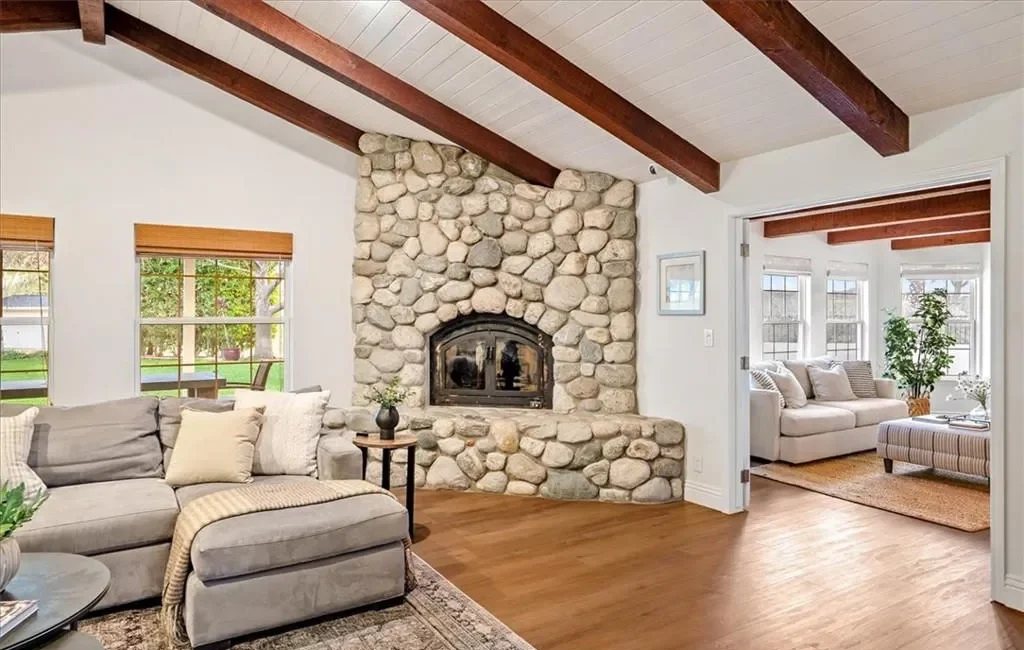
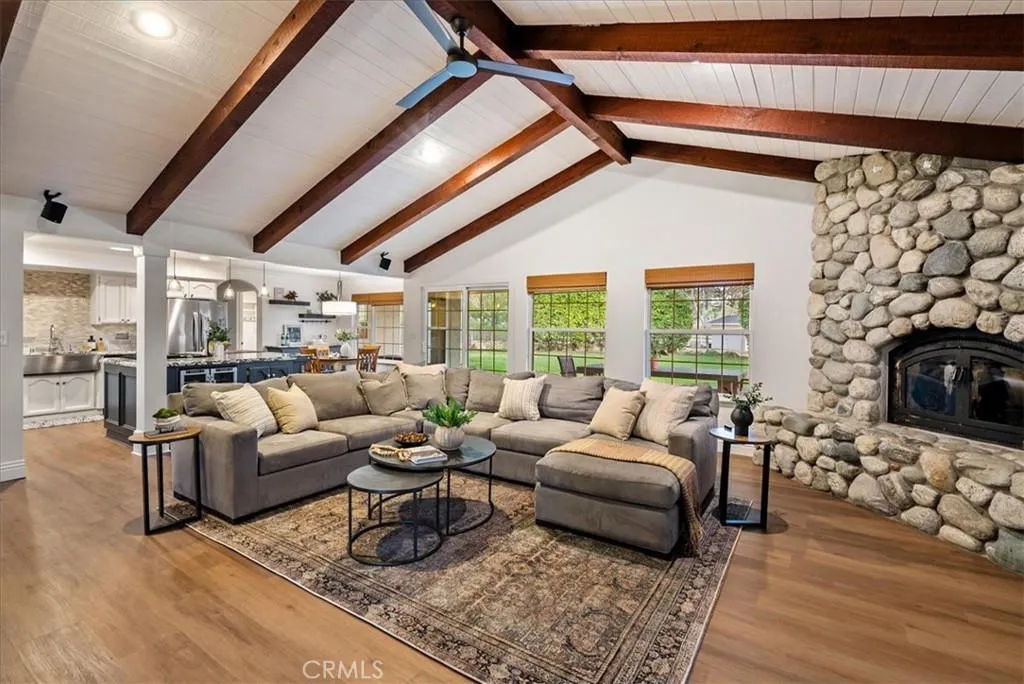
Robles Ranch Mental Health offers a luxury, retreat-style residential experience designed to heal the whole person—mind, body, and spirit. Our tranquil Paso Robles setting allows clients to step away from daily stressors and reconnect with themselves in a grounded, supportive environment.
Our approach to attachment healing may include:
- Inner child work to address early emotional wounds
- Trauma-informed therapy to explore attachment patterns safely
- Meditation and mindfulness to regulate the nervous system
- Sound healing to promote deep emotional release
- Nature-based experiences and guided hikes that foster grounding and reflection
- Personalized treatment plans tailored to each client’s emotional history
Rather than focusing only on symptoms, we address the underlying relational patterns that keep individuals stuck.
Why a Residential Setting Can Make a Difference
For individuals with anxious avoidant attachment, healing often requires consistent emotional safety—something that can be difficult to establish in everyday life.
A residential setting provides:
- Predictable routines
- Supportive therapeutic relationships
- Space to practice vulnerability without judgment
- Distance from unhealthy relational dynamics
- Immersion in healing-focused practices
This consistency allows attachment wounds to surface and heal in a controlled, nurturing environment.
Contact Us For Support
If you’re searching for “Understanding Anxious Avoidant Attachment Styles”, you may be noticing these patterns in yourself or someone you care about. You are not broken—and you are not alone.
At Robles Ranch Mental Health, we specialize in helping individuals heal from deep emotional wounds that fuel addiction, anxiety, and relationship struggles. Our luxury residential program in Paso Robles, California offers a compassionate, holistic path toward lasting change.
If anxious avoidant attachment is impacting your relationships, emotional well-being, or recovery, contact Robles Ranch Mental Health today to learn how our personalized treatment programs can help you reconnect—with yourself and with others—in healthier, more fulfilling ways.
Get Help Now
If you or a loved one is struggling with mental health issues or dual diagnosis disorders and seeking a balanced approach to recovery, our luxury mental health programs in California may be the right choice.
Latest Posts

Complex Trauma Residential Treatment

Silent Panic Attack