


Robles Ranch

Panic Disorder Treatment in Northern California

Panic Disorder

A panic attack can feel like a medical emergency happening inside your own body. When these episodes keep returning, the fear of the next one can start to shrink your entire life. 

Call Robles Ranch today to begin treatment in Northern California.

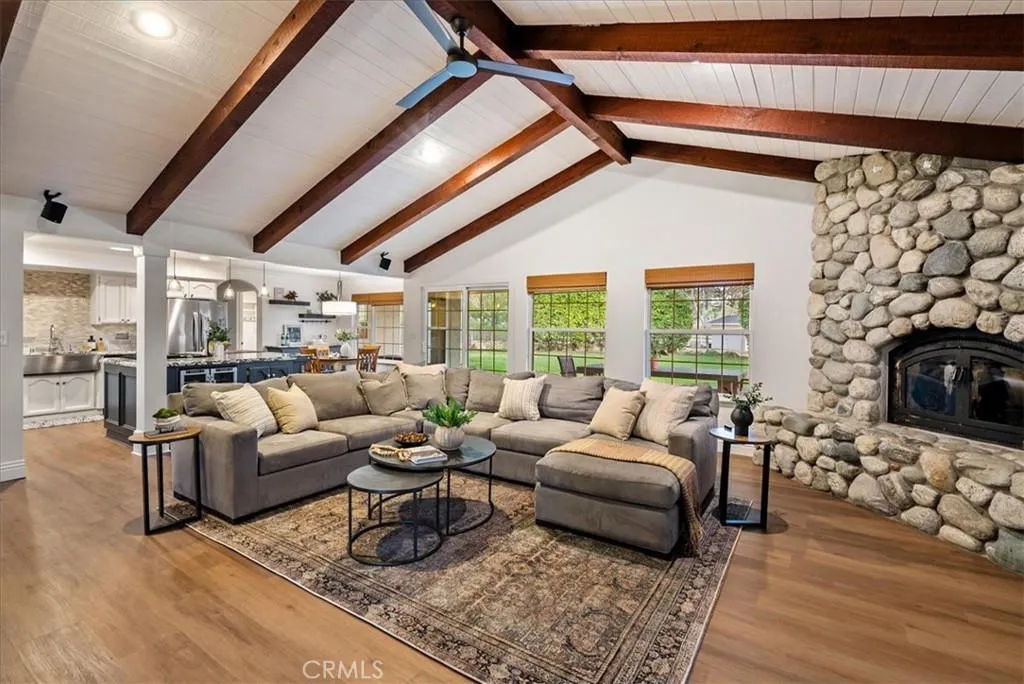
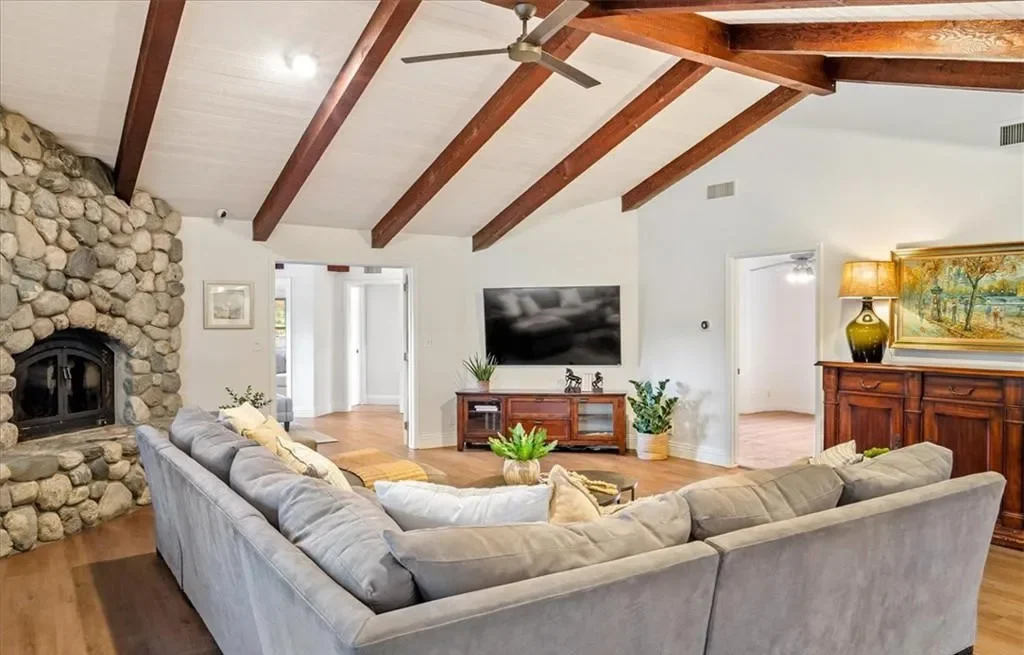
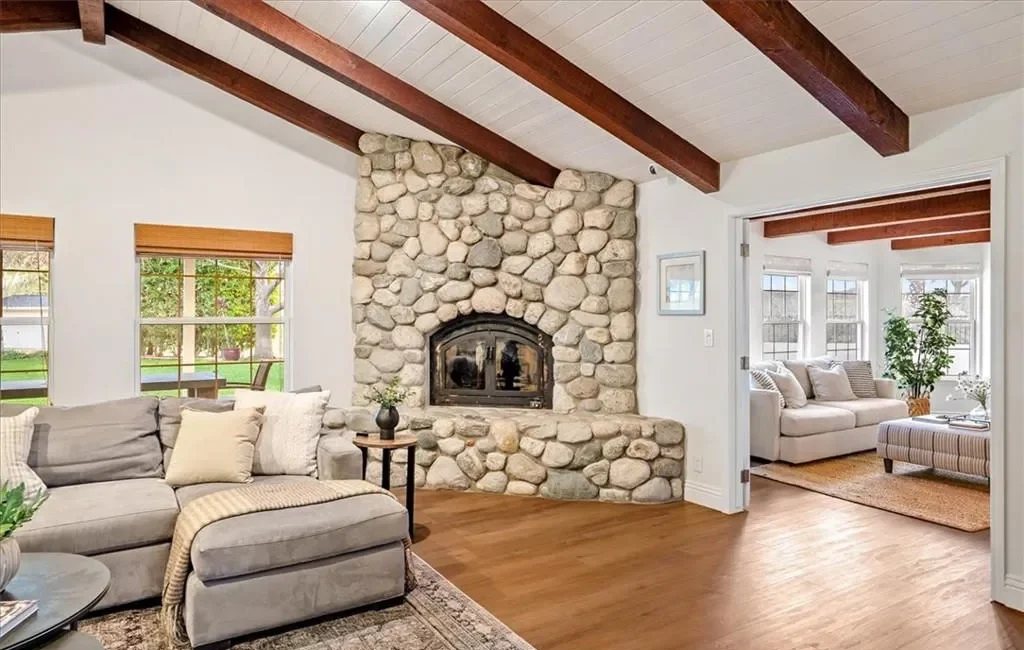
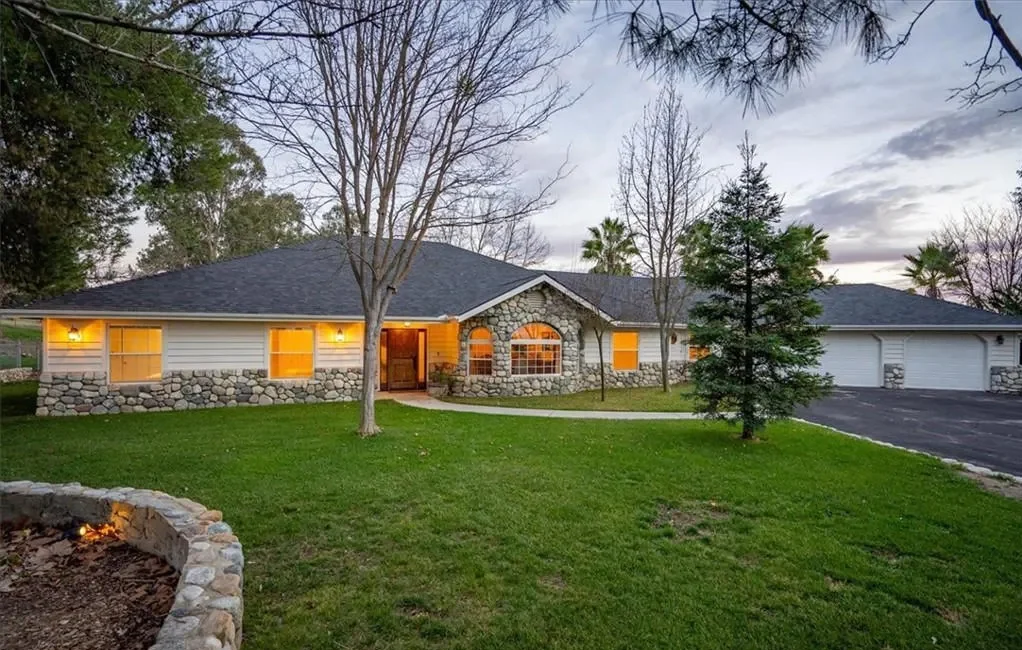
Robles Ranch provides panic disorder treatment in Northern California at our residential facility in San Luis Obispo County. As a panic disorder treatment center with just six beds, we offer the individualized psychiatric care this condition deserves. 

Call us at 866-840-3841 to learn more about our mental health treatment programs.

What Is Panic Disorder?

Panic disorder is an anxiety disorder defined by repeated and unexpected panic attacks. A panic attack is a sudden surge of intense fear that peaks within minutes, often without any obvious trigger. According to the National Institute of Mental Health (NIMH), an estimated 2.7% of U.S. adults experience panic disorder in a given year.

The attacks themselves are only part of the condition. The other part is the fear that grows between them. People with panic disorder often begin avoiding places or situations where a previous attack occurred. Over time, that avoidance can affect work, relationships, and even the ability to leave home comfortably.

Symptoms of a Panic Attack

Panic attacks produce real physical symptoms, which is why so many people end up in the emergency room believing they are having a heart attack.

Common symptoms of a panic attack include:

  • Racing or Pounding Heart: A sudden spike in heart rate that can feel alarming and out of proportion to your surroundings.
  • Shortness of Breath: A sensation of being unable to get enough air, sometimes accompanied by tightness in the chest.
  • Sweating and Trembling: The body’s alarm system floods you with adrenaline, which produces visible physical responses.
  • Dizziness or Lightheadedness: Many people feel unsteady or worry they are about to faint.
  • Numbness or Tingling: These sensations often appear in the hands, feet, or face.
  • Feelings of Unreality: Some people describe feeling detached from their body or from the world around them.
  • Fear of Losing Control or Dying: The cognitive symptoms can be the most frightening part of the experience.

Symptoms vary from person to person, and some attacks are less visible from the outside. Our blog on silent panic attacks explores how panic can present without the dramatic external signs most people expect.

Recommended: Is Panic Disorder a Disability?

Panic Disorder vs. Generalized Anxiety Disorder

Panic disorder and generalized anxiety disorder are both anxiety conditions, but they feel very different to the people living with them. Generalized anxiety involves persistent worry that hums in the background for months at a time. The worry attaches to everyday concerns like health, finances, or family, and it rarely fully switches off.

Panic disorder is defined by acute episodes rather than constant worry. The fear arrives in sudden and overwhelming waves, then recedes until the next attack. Many people with panic disorder feel relatively calm between episodes, apart from the anticipatory fear of when the next one will strike.

The two conditions can occur together, and effective treatment accounts for both. An accurate diagnosis matters because the therapeutic approach differs depending on which condition is driving your symptoms.

Tour Our Mental Health Rehab Programs

What Causes Panic Disorder?

Panic disorder develops through a combination of factors rather than a single cause.

Factors that contribute to panic disorder include:

  • Genetics: Panic disorder runs in families, which suggests an inherited vulnerability in how the brain processes fear.
  • Brain Chemistry: Differences in the amygdala and in neurotransmitter systems can make the body’s alarm response fire too easily.
  • Major Life Stress: Significant transitions, losses, or periods of prolonged stress often precede a first panic attack.
  • Trauma History: Past traumatic experiences can sensitize the nervous system to threat. Our blog on PTSD and panic attacks explores this connection in more depth.
  • Temperament: People who are more sensitive to stress or prone to negative emotions carry a higher risk.

Understanding what contributes to your panic helps shape your treatment. A person whose panic stems from trauma needs a different plan than someone whose panic emerged from chronic stress.

How Is Panic Disorder Diagnosed?

Panic disorder is diagnosed through clinical evaluation rather than a lab test. 

A qualified provider reviews your symptom history, rules out medical causes like thyroid or cardiac conditions, and compares your experience against the criteria in the DSM-5. The DSM-5 is the standard diagnostic manual used by mental health professionals across the country.

A diagnosis requires recurrent unexpected panic attacks followed by at least one month of persistent worry about future attacks or significant behavior change to avoid them. Our team uses comprehensive psychological evaluation to confirm the diagnosis and identify any co-occurring conditions that need attention.

How We Treat Panic Disorder at Robles Ranch

Effective panic disorder treatment retrains both the mind and the body. Our clinical team combines evidence-based psychotherapy with psychiatric care and holistic practices in one integrated plan.

Panic disorder treatment at Robles Ranch includes:

  • Cognitive Behavioral Therapy: CBT is the gold standard for panic disorder. It helps you identify the thought patterns that fuel panic and gradually reduces your fear of the physical sensations themselves.
  • Psychiatric Care: Our psychiatry team evaluates whether medication would support your recovery and manages any prescriptions with daily oversight.
  • Somatic Therapy: Somatic therapy works directly with the nervous system, teaching your body to move out of the alarm state that panic attacks exploit.
  • EMDR Therapy: When panic is rooted in past trauma, EMDR helps process those experiences so they lose their grip on the present.
  • Biosound and Holistic Practices: Biosound therapy, meditation, yoga, and grounding exercises give you daily tools for regulating your body’s stress response.
  • Group and Individual Therapy: Group therapy reduces the isolation that panic disorder creates, while individual psychotherapy addresses your specific history and goals.

Our ranch setting adds something a clinical office cannot. Time in nature, animal-assisted therapy, and a calm daily rhythm all help a sensitized nervous system learn that it is safe.

When Residential Treatment Helps

Many people manage panic disorder successfully with weekly outpatient therapy. Residential care becomes valuable when panic has taken over more of your life than outpatient treatment can reach.

Consider residential treatment if panic attacks are frequent enough to disrupt work or daily functioning. It also helps when avoidance has significantly narrowed your world, when co-occurring depression or trauma complicates the picture, or when previous outpatient treatment has brought limited relief.

Living at Robles Ranch during treatment means panic gets addressed all day rather than one hour per week. You practice regulation skills in real time with clinical support nearby. Medication adjustments happen under daily observation. By the time you return home, the new patterns have had weeks to take root.

Frequently Asked Questions About Panic Disorder Treatment

Panic disorder is highly treatable, and many people reach a point where panic attacks no longer occur or no longer frighten them. Clinicians tend to talk about lasting remission rather than a cure. With effective treatment, you can expect the attacks to fade and your confidence in your own body to return.

Length of stay depends on your symptoms, your history, and how you respond to treatment. Residential stays commonly range from a few weeks to a couple of months. Our clinical team reviews your progress continuously and recommends step-down options like our partial hospitalization program or intensive outpatient program when you are ready.

Medication is one tool rather than a requirement. Some clients benefit from SSRIs or other non-habit-forming options, while others do well with therapy alone. Our blog on anti-anxiety medication that is not habit-forming covers the options in detail. Our psychiatric team will discuss the choice with you openly and respect your preferences.

Panic attacks during treatment are expected and even useful. Clinical support is steps away at all times, so you can work through the attack with a trained professional rather than alone. Each attack becomes an opportunity to practice new skills in a safe environment. Many clients find that this experience is exactly what finally breaks the cycle of fear.

Begin Mental Health Treatment Today

If you or a loved one is struggling with a mental health disorder and seeking a balanced approach to recovery, our residential treatment programs in California may be the right choice.

Tour Our Mental Health Programs

Begin Panic Disorder Treatment in Northern California

Panic disorder responds well to the right treatment in the right setting. At Robles Ranch, you will find expert psychiatric care, proven therapies, and a peaceful ranch environment where your nervous system can finally settle. 

Call us now at 866-840-3841 to speak with our admissions team, or verify your insurance to take the first step today.

Begin Panic Disorder Treatment in Northern California

Panic disorder responds well to the right treatment in the right setting. At Robles Ranch, you will find expert psychiatric care, proven therapies, and a peaceful ranch environment where your nervous system can finally settle. 

Call us now at 866-840-3841 to speak with our admissions team, or verify your insurance to take the first step today.

Mental Health Programs

PTSD Therapy
Mental Health Conditions Treated: Although a mental health disorder affects the way an individual thinks, behaves, and feels, with treatment the symptoms.

Tour Our Program

mental health treatment in San Luis Obispo County
Robles Ranch Mental Health is located on a private estate in Paso Robles in California. Located in a highly private and serene location for healing and mental clarity.

We Help Clients Make Their Lives Better