
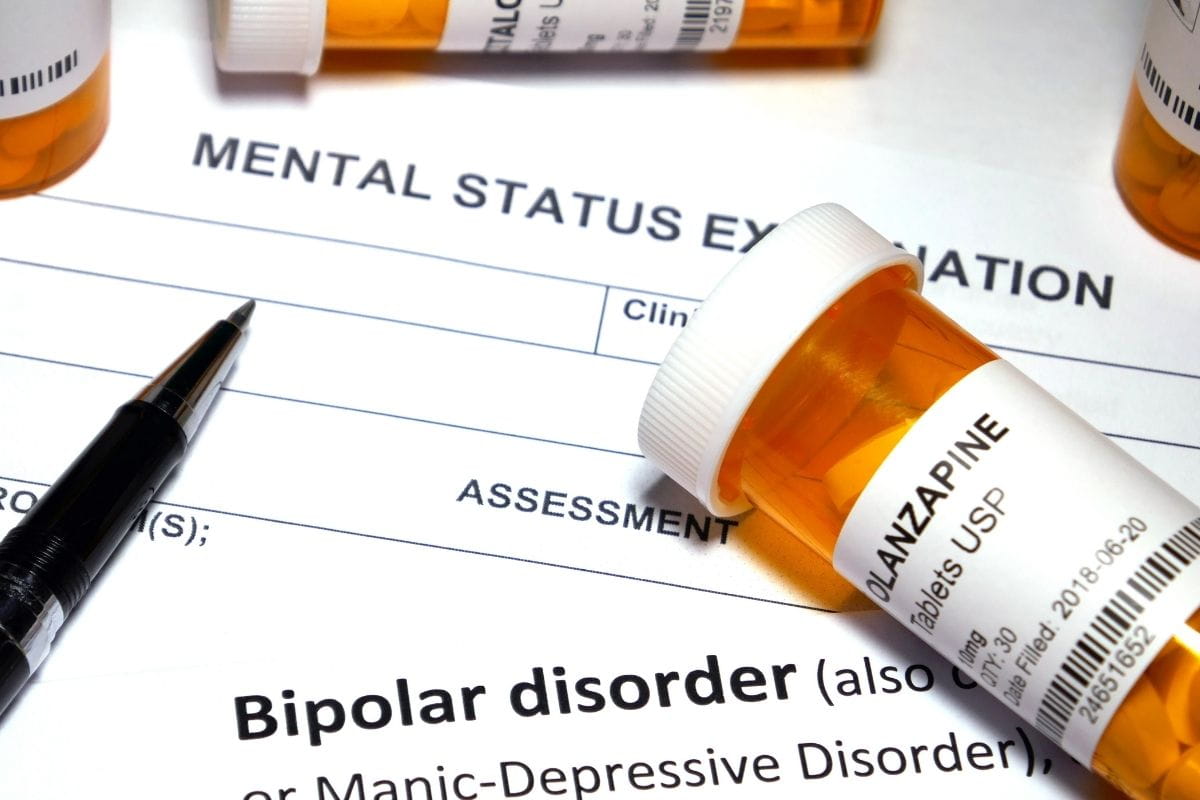
The terminology that’s used to describe bipolar disorder can sometimes be confusing. For example, what’s the distinction between bipolar I vs. bipolar II? How is mania different from hypomania? And what’s the difference between bipolar vs. bipolar depression?
The Robles Ranch team is committed to providing premier care in a safe and respectful environment for adults whose lives have been disrupted by bipolar disorder and other complex mental health concerns. To learn more or to schedule a free assessment, contact us today.
Learn more about bipolar disorder treatment in San Luis Obispo County or verify your insurance now.
What Is Bipolar Disorder?
To appreciate the difference between bipolar vs. bipolar depression, it can be beneficial to first review a few fundamental facts about bipolar disorder.
Bipolar disorder is a complex mental health condition that is characterized by dramatic swings in mood and energy. Sometimes, people refer to bipolar disorder simply as bipolar.
When the first edition of the Diagnostic and Statistical Manual of Mental Disorders (DSM-1) was published in 1952, this condition was referred to as manic-depression. The term bipolar disorder first appeared in the DSM with the publication of the third edition in 1980.
Though bipolar disorder is often discussed as a single condition, the DSM-5 includes entries for three types that are differentiated by the type and duration of a person’s symptoms.
Symptoms and Episodes
Bipolar disorder is associated with three kinds of episodes:
- Manic: During a manic episode, a person may experience symptoms such as inflated self-esteem or grandiosity, decreased need for sleep, restlessness, talkativeness, distractibility, impulsivity, and both goal-directed and purposeless activity. They may also to take part in risky behaviors such as spending sprees, unsafe sex, gambling, or unwise investments. To qualify as a manic episode, symptoms must be present most of the day, most days, for at least a week.
- Hypomanic: A hypomanic episode is similar to a manic episode, except symptoms only persist for four consecutive days.
- Major depressive: Major depressive episodes involve symptoms such as pervasive sadness, diminished pleasure in almost all activities, significant appetite change and resultant weight gain or loss, sleeping much more or less than usual, persistent fatigue or being easily exhausted, lack of motivation, difficulty focusing or making decisions, and recurrent thoughts of death. These symptoms much be present most of the day, most days, for at least two weeks to qualify as a major depressive episode.
Types of Bipolar Disorder
The three types of bipolar disorder are:
- Bipolar I disorder: Someone who has bipolar I disorder will have manic episodes. They may also have hypomanic or major depressive episodes, but those are not required for this diagnosis.
- Bipolar II disorder: To be accurately diagnosed with bipolar II disorder, a person must have both hypomanic and major depressive episodes.
- Cyclothymic disorder: This diagnosis is for people who have hypomanic and major depressive symptoms on and off over a period of at least two years, with neither symptom lasting long enough to qualify as a full episode.
What’s the Difference Between Bipolar vs. Bipolar Depression?
The difference between bipolar vs. bipolar depression is fairly straightforward: The first term (which is a shortened version of bipolar disorder) describes a mental health condition and the second one (bipolar depression) describes a symptom of that condition.
If a person experiences depressive symptoms without mania or hypomania, a clinician may diagnose major depressive disorder or persistent depressive disorder. Clinicians sometimes refer to these conditions as unipolar depression to distinguish them from bipolar depression.
How Are Bipolar Disorder and Bipolar Depression Treated?
Since there are several types of bipolar disorder, and each type can affect different people in different ways, there is no single treatment approach that’s ideal for everyone.
Factors that can influence a person’s bipolar disorder treatment plan include:
- Which type of bipolar disorder the have
- The type and severity of their symptoms
- How their symptoms have affected their life
- If they have any co-occurring mental health concerns
- If they have also struggled with substance abuse or addiction
- If they have a history of untreated trauma
- If they have previously been in treatment before
These and other relevant pieces of information can help treatment providers make informed decisions regarding level of care, use of prescription medication, and types of therapy.
Levels of Care
Treatment for bipolar disorder can occur in several environments, which clinical professionals sometimes refer to as levels of care.
Common levels of care for bipolar disorder include:
- Residential: At this level, you will live at the center while you’re receiving treatment for bipolar disorder. Features include full days of care, 24/7 supervision, and the opportunity to temporarily step away from the pressures of everyday life so you can focus your full attention on your health.
- Partial hospitalization program (PHP): PHPs are similar to residential programs, except you only need to be at the center while you’re receiving care. During the week, you’ll usually take part in about six hours of therapy and support services per day. In the evenings and on the weekends you can return to your home or to an alternative supported residence.
- Intensive outpatient program (IOP): IOPs can be an ideal source of stepdown support after you complete a residential program or a PHP, though some people enter treatment directly at this level. In an IOP, you may attend sessions two to five days per week, with each treatment day lasting about three hours.
Medication
Prescription medication can help people with bipolar disorder better regulate their mood swings and experience relief from symptoms such as bipolar depression.
Medication options for bipolar disorder and bipolar depression include:
- Mood stabilizers
- Antipsychotics
- Selective serotonin reuptake inhibitors (SSRIs)
- Serotonin-norepinephrine reuptake inhibitors (SNRIs)
- Atypical antidepressants
Therapies
Therapy can help people to better understand their condition, make helpful lifestyle changes, and learn to manage their symptoms more effectively.
Examples of therapies that may be included in a person’s treatment for bipolar disorder with or without depression include:
- Individual psychotherapy
- Group therapy
- Family therapy
- Cognitive behavioral therapy (CBT)
- Dialectical behavior therapy (DBT)
- Holistic therapy
- Somatic therapy
Please note that these are not full lists of all the medications, therapies, and support services that may be included in a comprehensive treatment plan for someone with bipolar disorder.
With such a wide range of options available, it is important to find a provider who will evaluate the full scope of your symptoms and their effect on your life, then develop a customized plan that aligns with your specific history, needs, and preferences.
Find Help for Bipolar Disorder or Bipolar Depression in San Luis Obispo County
Robles Ranch offers a full continuum of personalized programming for adults with bipolar disorder and other mental health challenges. We also provide dual diagnosis services for clients with co-occurring addictions to alcohol and other drugs.
Treatment options at our center in Paso Robles, CA, include residential care, a PHP, and an IOP.
To learn more call 805-635-0668 or verify your insurance now.