Robles Ranch

Bipolar Disorder Quiz

Do I Have Bipolar Disorder?

Do you have mood swings that range from extremely high to devastatingly low? Do these mood swings impair your ability to function in everyday life? Take our free bipolar disorder test to learn more about your symptoms.

Contact us today to get started.

Bipolar Disorder Quiz

Do I Have Bipolar Disorder?

Do you have mood swings that range from extremely high to devastatingly low? Do these mood swings impair your ability to function in everyday life? Take our free bipolar disorder test to learn more about your symptoms.

Contact us today to get started.

Bipolar disorder causes distinct changes in mood, energy, sleep, judgment, and activity. 

These episodes are more intense than ordinary emotional ups and downs. They can disrupt work, relationships, finances, and personal safety.

This Bipolar Disorder Quiz can help you organize symptoms you may want to discuss with a professional. It cannot determine whether you have bipolar disorder.

Call us at 866-840-3841 to discuss your treatment options.

What This Quiz Can and Cannot Tell You

This self-assessment can identify patterns that resemble mania or hypomania. It may also help you describe those experiences more clearly during an appointment.

It cannot diagnose bipolar disorder or identify a specific subtype. Anxiety, ADHD, trauma, substance use, sleep deprivation, thyroid disease, and medication effects can cause similar symptoms. A clinician must consider the timing, severity, and possible causes of each episode.

A low number of “yes” responses does not rule out bipolar disorder. People may forget previous symptoms or have limited awareness during a manic episode. Input from a trusted family member can sometimes help complete the history.

Why Bipolar Disorder Is So Often Missed

Many people seek treatment during depression rather than mania or hypomania. Depression feels painful and disruptive. Hypomania may initially feel productive, exciting, or normal.

A clinician who sees only the depressive period may not know about earlier changes in sleep, energy, or judgment. People may also describe mania as stress, confidence, or a burst of motivation. Family members may notice the change before the individual does.

Diagnosis requires looking beyond the current mood. A provider reviews symptoms across the person’s lifetime, along with family history and previous treatment responses. Medical conditions and substance effects must also be considered.

Bipolar I, Bipolar II, and Cyclothymia

Bipolar I disorder involves at least one manic episode. Mania usually lasts at least seven days, unless symptoms are severe enough to require hospital care sooner. A depressive episode is common but not required for the diagnosis.

Bipolar II disorder involves major depressive episodes and hypomanic episodes. Hypomania is less severe than full mania. It does not cause the same degree of impairment or require hospitalization. However, bipolar II is not necessarily a milder illness because its depressive episodes can be severe.

Cyclothymic disorder, or cyclothymia, causes recurring hypomanic and depressive symptoms. These symptoms do not meet the full criteria for hypomanic or major depressive episodes. The pattern is chronic and lasts at least two years in adults.

Tour Our Mental Health Rehab Programs

What to Do With These Results

Save your responses and bring them to a psychiatrist, psychologist, or other qualified clinician. Write down when the episodes occurred and how long they lasted. Include changes in sleep, work, relationships, spending, substance use, and sexual behavior.

Ask relatives or close friends whether they remember periods when you seemed noticeably different. Gather a list of current medications and previous mental health treatment. Do not stop an antidepressant or another prescription without guidance from your prescriber.

A complete assessment may include a psychiatric interview, medical history, physical examination, and laboratory testing. These steps help distinguish bipolar disorder from conditions that produce similar symptoms.

Signs and Symptoms of Bipolar Disorder

Manic and hypomanic symptoms can include elevated or irritable mood, reduced need for sleep, rapid speech, racing thoughts, and increased activity. Some people develop inflated self-confidence or pursue risky activities without considering the consequences.

Depressive symptoms can include sadness, hopelessness, fatigue, withdrawal, poor concentration, and loss of interest. Sleep and appetite may change. Some episodes have mixed features, meaning depressive and manic symptoms occur together.

The pattern matters as much as any individual symptom. Bipolar episodes generally last for days or weeks. They also involve a clear shift from the person’s usual behavior.

When to Seek Help Right Away

Seek emergency help if you may harm yourself or someone else. Urgent help is also necessary for hallucinations, delusions, extreme agitation, or behavior that has become unsafe.

Call 911 or go to the nearest emergency department during a life-threatening situation. You can call or text 988 for confidential crisis support. Robles Ranch is a voluntary residential program and does not replace emergency care.

Treatment at Robles Ranch

Robles Ranch provides residential treatment for adults with bipolar disorder and other complex mental health conditions. Our private program serves only six clients at a time. This allows the treatment team to provide close attention in a calm setting.

Treatment begins with a detailed evaluation. The care plan may include psychiatry, medication management, individual therapy, group therapy, dialectical behavior therapy (DBT), and holistic services. Residential care may be appropriate when symptoms continue to disrupt daily life despite outpatient treatment.

Frequently Asked Questions

No. Only a qualified professional can diagnose bipolar disorder after a complete assessment.

Ordinary mood swings are often brief and connected to current events. Bipolar episodes last longer and involve significant changes in energy, sleep, activity, and behavior.

Bipolar II does not involve full mania. It includes hypomanic episodes and major depression.

Schedule a professional evaluation and bring your responses. Seek emergency care if you cannot remain safe.

The quiz itself does not ask you to submit identifying information. Privacy depends on how the website stores or transmits any information you enter.

You can use the questions to organize observations. You cannot diagnose another person. Encourage them to seek an evaluation when possible.

Begin Mental Health Treatment Today

If you or a loved one is struggling with a mental health disorder, our treatment center can help you. Contact Robles Ranch today to get started.

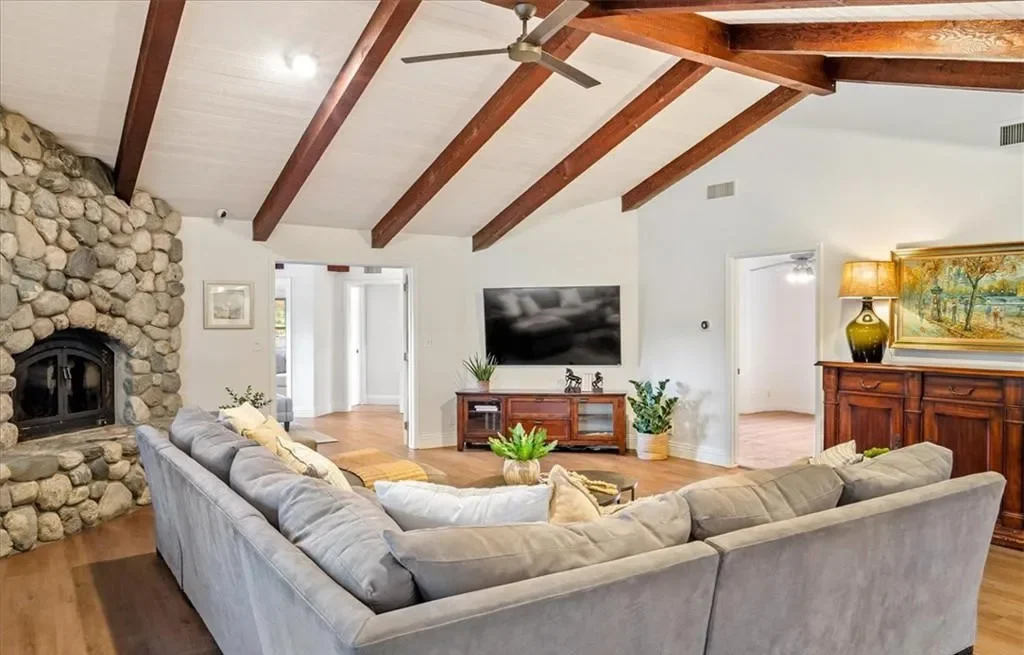
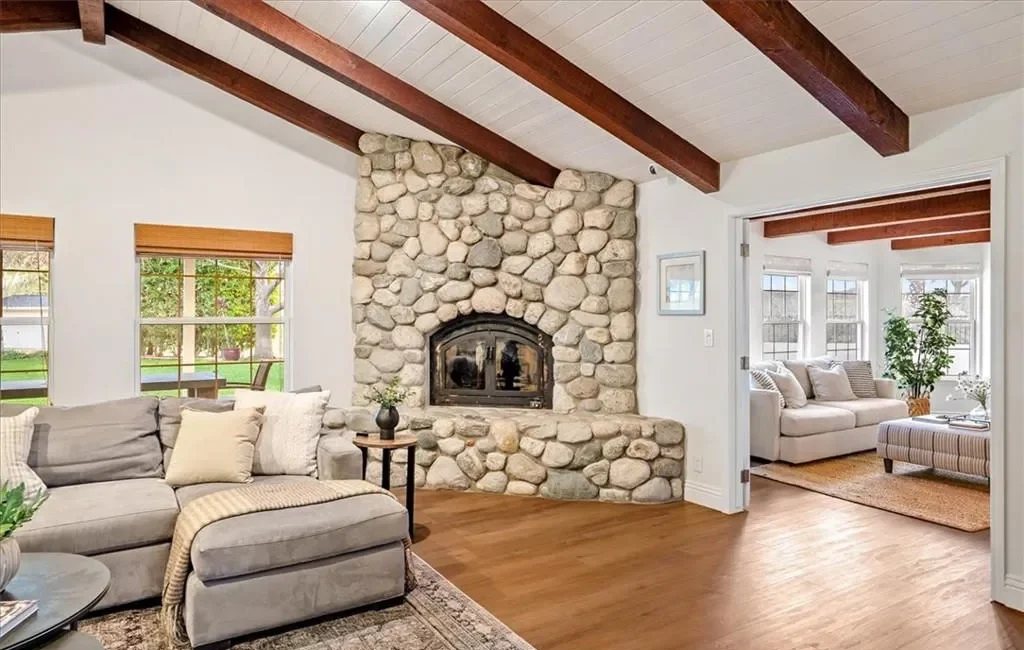
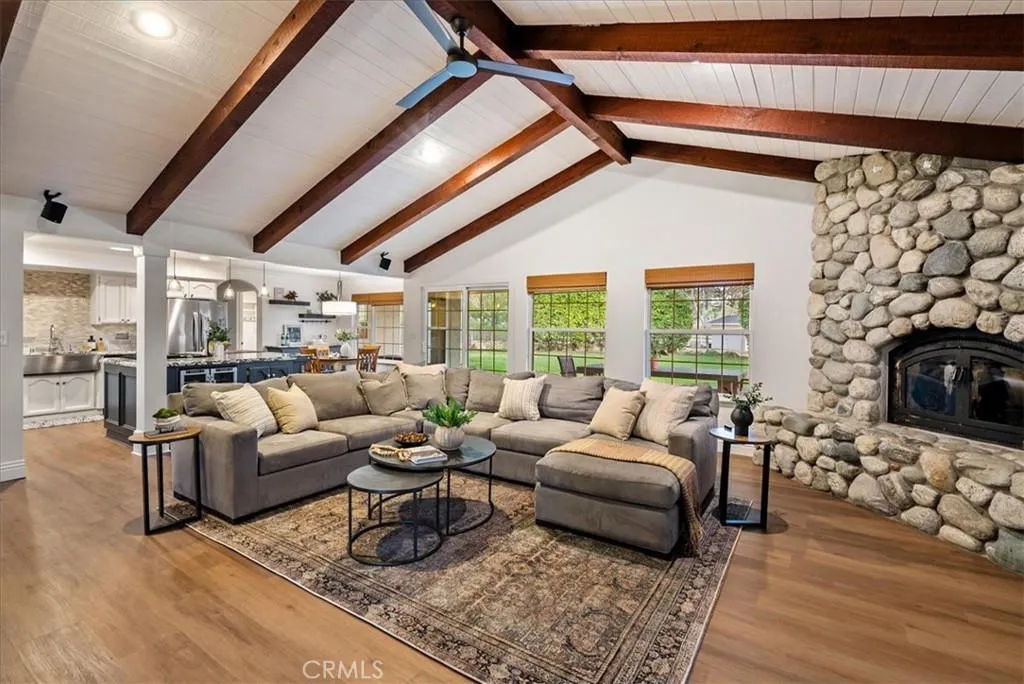
Facility Image Gallery

Find Bipolar Disorder Treatment in California

Bipolar disorder can be difficult to recognize, but effective treatment is available. Call Robles Ranch at 866-840-3841 to discuss your symptoms and treatment options.

Find Bipolar Disorder Treatment in California

Bipolar disorder can be difficult to recognize, but effective treatment is available. Call Robles Ranch at 866-840-3841 to discuss your symptoms and treatment options.

Treatment

depression treatment group therapy
Mental Health Conditions Treated: Although a mental health disorder affects the way an individual thinks, behaves, and feels, with treatment the symptoms.

Tour

depression treatment concord
Robles Ranch Mental Health is located on a private estate in Paso Robles in California. Located in a highly private and serene location for healing and mental clarity.

We Help Clients Make Their Lives Better