
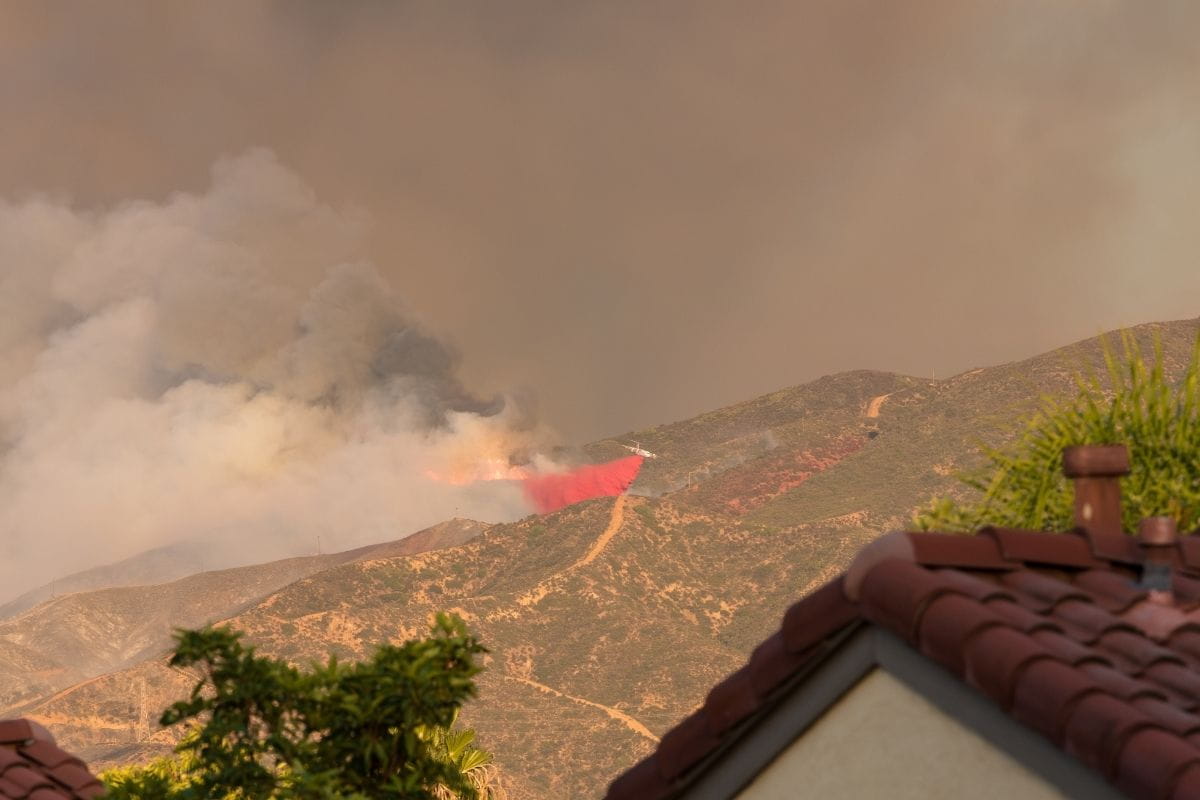
The annual onset of fire season is one of the more unpleasant aspects of living in California. For those whose homes have been threatened or destroyed, the long-term impact can include wildfire trauma and PTSD.
At Robles Ranch, our team of dedicated professionals develops personalized treatment plans to address the unique needs of adults whose lives have been disrupted by trauma and PTSD. To learn more or to schedule a free assessment, contact us today.
Learn more about trauma treatment in Southern California or verify your insurance now.
Wildfires & Trauma in California
Wildfires are not uncommon in California, and the problem shows no signs of getting better. From 2021-2025, the state averaged more than 6,000 annual wildfires, with more than 550,000 acres affected each year.
Of the 5,543 fires in 2025, two of the largest and most destructive ones occurred simultaneously in the Los Angeles area:
- The Eaton Fire began in the evening of Jan. 7, apparently sparked by electrical equipment owned by Southern California Edison. Over the next 24 days, the fire burned 14,201 acres in Altadena and Pasadena. During that period it destroyed 9,419 structures, damaged 1,076 others, and caused 19 fatalities.
- The Palisades Fire, which also started Jan. 7, seems to have been the result of arson. By the time it was contained Jan. 31, it had consumed 23,707 acres in Pacific Palisades, Topanga, and Malibu. The fire also destroyed 6,845 structures, damaged 975 others, and claimed 12 lives.
While both fires were brought under control by the end of January, the damage they inflicted continues to reverberate throughout the area. For some who were affected, the ongoing impact includes severe emotional trauma and posttraumatic stress disorder (PTSD).
Wildfire Trauma & PTSD
PTSD is frequently linked to military combat, but it can occur in the aftermath of many horrific events, particularly those that cause fear of impending death and feelings of helplessness.
Other examples of occurrences that can precede PTSD include child abuse and neglect, sexual assault, serious illnesses, and automobile accidents. People who live through large-scale catastrophes such as tornadoes, hurricanes, and wildfires may also develop the condition.
In the case of wildfire trauma and PTSD, contributing factors can include:
- Fear that you or loved ones will be injured or killed during the fire
- Having to be evacuated and enduring the uncertainty of not knowing if your home and neighborhood were damaged or destroyed
- Losing your home and possessions, including important documents, family heirlooms, photographs, and other items of great personal significance
- Financial pressures if you need to rebuild your home
- Needing to relocate temporarily or permanently, which can include having to help your children deal with the stress of enrolling in a new school away from their friends
- Fire-related health problems, including concerns about air quality during and after the event
- “Survivor’s guilt” if your home was spared while others’ were destroyed
In the case of the Eaton and Palisades fires, the emotional impact was exacerbated by widespread anger toward local government figures and emergency responders for perceived failures to adequately protect the communities. Points of contention included delayed warnings that many believed unnecessarily endangered the lives of some residents.
The cumulative effect of these types of stressors can have a profound impact on a person’s mental health, potentially leading to anxiety, depression, panic, and PTSD.
PTSD Symptoms
Though PTSD is a mental health disorder, its symptoms aren’t limited to a person’s thoughts and emotions. People who develop this condition may also experience physical pain and exhibit a range of maladaptive behaviors.
Psychological Symptoms
Psychological and cognitive symptoms of PTSD include:
- Recurrent, involuntary, and intrusive memories of the traumatic event
- Recurrent nightmares related to the traumatic event
- Dissociative reactions (flashbacks) that cause you to feel that you are once again in the midst of the traumatic event
- Intense or prolonged psychological pain when you are reminded of the traumatic event
- Having trouble remembering important parts of the event
- Experiencing powerful and persistent negative beliefs about yourself, other people, or the world as a result of the event
- Feeling guilty or ashamed for having survived the event
- Feeling detached from others
Physical Symptoms
From a physical standpoint, symptoms of PTSD can include:
- Marked physiological reactions to reminders of the traumatic event, such as racing heart rate, increased perspiration, rapid breathing, and dizziness
- Muscle tension, headaches, stomach aches, and other sustained or recurring physical ailments that don’t have an identifiable medical cause
- Disrupted sleep, which can include problems falling asleep or staying asleep as well as restlessness while sleeping
Behavioral Symptoms
Common behavioral signs of posttraumatic stress disorder include:
- Changing your behavior to avoid people, places, or circumstances that remind you of the event
- Outbursts of extreme anger, aggression, and even violence, often with little to no provocation
- Reckless, dangerous, or otherwise self-destructive behaviors
- Hypervigilance, or constantly checking your surroundings for signs of imminent danger
- Exaggerated startle response, which involves excessive reactions to even minor surprises such as someone approaching you from behind or a loud noise in the distance
Continued Effects of Wildfire Trauma & PTSD
On their own, the symptoms of PTSD can be highly distressing. But if you don’t get the help you need the impact can intensify and expand, eventually affecting virtually every other part of your life.
Potential long-term effects of untreated wildfire trauma and PTSD include:
- Conflicts with loved ones and colleagues
- Strained or ruined relationships
- Downturn in performance in school or at work
- Job loss, unemployment, and resultant financial difficulties
- Decreased confidence and diminished self-esteem
- Onset or worsening of co-occurring mental illnesses
- Substance abuse and addiction
- Social withdrawal and isolation
- Self-harm and/or thoughts of suicide
Treatment Options for Trauma & PTSD
Treatment for trauma and PTSD due to wildfires or any other cause can occur on a residential or outpatient basis, and may involve a range of therapies and support services as well as prescription medication.
A range of factors influence the elements included in each person’s treatment plan. These include the type and severity of their symptoms and if they have developed any co-occurring physical or mental health concerns.
Therapies beneficial for people affected by trauma and PTSD include:
- Individual psychotherapy
- Group therapy
- Family therapy
- EMDR therapy
- Cognitive behavioral therapy (CBT)
- Dialectical behavior therapy (DBT)
- Biosound therapy
- Holistic therapy
- Somatic therapy
No program or type of treatment is ideal for every person who has been living with untreated trauma. At Robles Ranch, you receive a customized course of care that aligns with your unique history, needs, and preferences.
Learn More About Trauma Treatment in Southern California
Robles Ranch is a safe and highly supportive environment where adults can receive comprehensive personalized care for trauma, PTSD, other mental health concerns, and co-occurring addictions to alcohol or other drugs.
Treatment options at our center in Paso Robles, CA, include residential treatment, a partial hospitalization program (PHP), and an intensive outpatient program (IOP).
To learn more call 805-635-0668 or verify your insurance now.