Robles Ranch

Agoraphobia Treatment in California

Agoraphobia

Agoraphobia can significantly diminish your quality of life. Robles Ranch offers treatment for agoraphobia and other anxiety disorders in California.

Contact us today to get started.

Agoraphobia Treatment in California

Agoraphobia

Agoraphobia can significantly diminish your quality of life. Robles Ranch offers treatment for agoraphobia and other anxiety disorders in California.

Contact us today to get started.

Agoraphobia treatment can help when fear and avoidance make ordinary activities feel impossible. 

Driving to work, waiting in line, or entering a grocery store may create intense anxiety. Some people eventually feel safe only at home or when accompanied by someone they trust.

Robles Ranch provides residential treatment for adults whose agoraphobia significantly limits daily life. 

Call 866-840-3841 or speak with our admissions team  to discuss anxiety treatment in Paso Robles, California.

What Is Agoraphobia?

Agoraphobia is an anxiety disorder involving fear of situations where escape might feel difficult or help may seem unavailable. A person may worry about panicking, fainting, losing control, becoming ill, or experiencing another embarrassing symptom in public.

Agoraphobia is often misunderstood as a fear of leaving home. Some people do become housebound, but the condition can take many forms. Someone may still leave home while avoiding highways, crowds, public transportation, or unfamiliar places.

The 5 Situation Types

The DSM-5 requires marked fear involving at least two categories of situations. The person may avoid them entirely, tolerate them with intense anxiety, or require a trusted companion.

The five situation categories include:

  1. Public transportation: Riding a bus, train, subway, airplane, ferry, or rideshare vehicle.
  2. Open spaces: Crossing a parking lot, walking through a large park, or entering an outdoor shopping center.
  3. Enclosed spaces: Sitting in a theater, entering an elevator, shopping inside a store, or attending an appointment in a small office.
  4. Lines and crowds: Waiting at a checkout counter, attending a concert, or standing among people at a busy event.
  5. Being outside the home alone: Driving alone, walking through the neighborhood, or completing errands without a support person.

Fear must be persistent and out of proportion to the actual danger. It must also cause significant distress or interfere with functioning. Feeling nervous in one crowded place does not automatically indicate agoraphobia.

Symptoms of Agoraphobia

Agoraphobia includes emotional, behavioral, and physical symptoms. Anxiety may begin before the person enters a feared situation because anticipating it can activate the same alarm response.

Symptoms may include:

  • Avoidance: Canceling plans or refusing to enter feared settings.
  • Dependence on a companion: Feeling unable to travel or complete errands alone.
  • Escape planning: Remaining near doors or mapping the fastest route home.
  • Physical distress: Experiencing a racing heart, sweating, dizziness, nausea, or shortness of breath.
  • Fear of losing control: Worrying about fainting, vomiting, or becoming trapped.
  • A shrinking routine: Limiting work, travel, shopping, or social activities.

People may organize their lives carefully enough that others do not recognize the problem. Remote work or reliance on delivery services can conceal how restricted daily life has become.

Tour Our Mental Health Rehab Programs

Agoraphobia and Panic Disorder

Agoraphobia often develops after panic attacks. A person may begin avoiding the location where an attack occurred. They may then avoid similar places, believing that another episode would be dangerous or humiliating.

However, agoraphobia and panic disorder are separate diagnoses. A person can have agoraphobia without recurrent panic attacks. 

How Avoidance Makes Agoraphobia Grow

Avoidance lowers anxiety quickly. Turning around before entering a store or asking someone else to drive creates immediate relief. The brain interprets that relief as proof that leaving was necessary.

Each avoided situation reinforces the belief that the person could not have coped. Fear may then spread to similar situations. A person who initially avoids airplanes may begin avoiding highways, then local traffic, and eventually any trip made alone.

Safety behaviors can reinforce the same cycle. Sitting beside an exit or carrying unnecessary emergency supplies may feel protective. Treatment helps people reduce these behaviors gradually so they can discover that anxiety can rise and fall without escape.

What Untreated Agoraphobia Costs

Untreated agoraphobia can narrow a person’s world. Work opportunities may become limited by commuting fears. Relationships may suffer when the person repeatedly cancels plans or relies on loved ones to accompany them everywhere.

Isolation can also contribute to depression or substance use. Family members may assume more responsibilities to keep the person calm. What begins as helpful accommodation can unintentionally make avoidance easier to maintain.

How Agoraphobia Is Treated

Cognitive behavioral therapy helps people examine beliefs about danger and their ability to cope. Exposure therapy then provides structured opportunities to enter avoided situations. Exposure begins with manageable steps and progresses as confidence grows.

The National Institute of Mental Health (NIMH) identifies exposure therapy as a common form of CBT for phobias. Medication may also reduce anxiety or panic symptoms for some people. A psychiatric provider considers the person’s diagnosis and medical history before making recommendations.

How Can I Go to Treatment if I Cannot Leave My House?

You do not need to overcome agoraphobia before seeking treatment. Admissions can begin by phone, allowing you to explain what happens when you attempt to leave home. The team can help you plan the first step without expecting you to arrive symptom-free.

A trusted person may accompany you during travel. Scheduling the trip during a quieter time or breaking it into smaller stages may also help. If reaching residential care is not immediately possible, a local therapist or telehealth provider may offer transitional support.

Agoraphobia Treatment at Robles Ranch

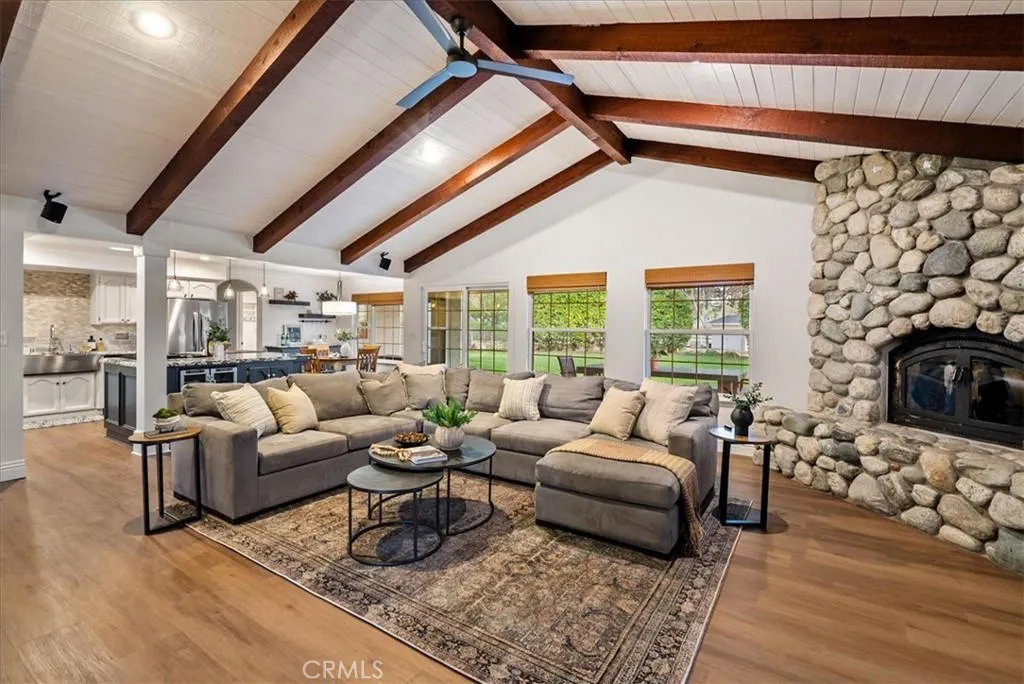
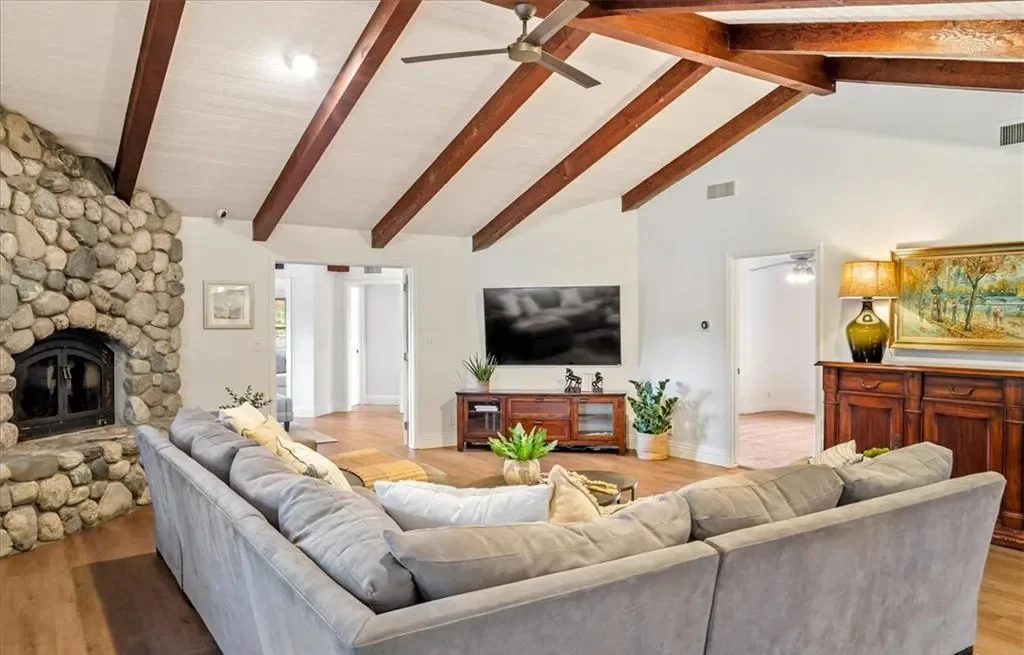
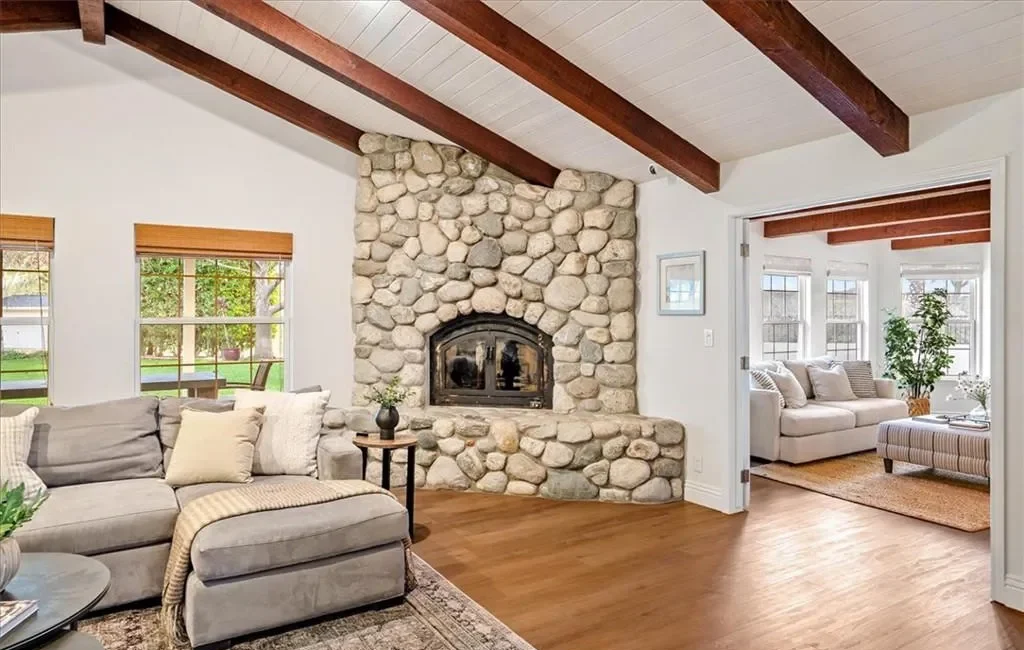
Robles Ranch provides residential anxiety treatment in an intimate six-bed setting. A private location in Paso Robles offers space to focus on recovery away from the demands that may have complicated outpatient treatment.

Treatment begins with a thorough assessment of feared situations, panic symptoms, and avoidance patterns. An individualized plan may include CBT, DBT-informed skills, psychiatric care, and gradual exposure work. Group therapy provides opportunities to practice being around others, while holistic services can support nervous system regulation.

Residential care creates consistency. Clients can practice new skills throughout the day and discuss what happened with the clinical team. Progress is built through repeated, manageable experiences rather than one dramatic confrontation.

Frequently Asked Questions

Many people experience substantial improvement with appropriate treatment. They may regain the ability to travel, enter public spaces, and complete activities independently.

Some anxiety may still appear during stressful periods. Recovery involves knowing how to respond without allowing fear to control behavior.

No. Social anxiety centers on fear of judgment, rejection, or embarrassment during social interaction. Agoraphobia centers on situations where escape may feel difficult or help may not be available.

The conditions can occur together. An evaluation identifies what the person fears and which behaviors maintain the anxiety.

Yes. Panic attacks are common among people with agoraphobia, but they are not required for diagnosis. Someone may fear another incapacitating symptom or the possibility of being unable to escape.

Treatment length depends on symptom severity and how long avoidance has been present. Someone with mild restrictions may improve through outpatient therapy. Severe agoraphobia may require a longer course of structured treatment followed by continued outpatient care.

Call admissions and explain what is preventing you from traveling. The team can discuss preparation strategies and whether residential care is currently appropriate.

A family member or therapist may help you plan the trip. If immediate travel is not possible, local or virtual treatment can help you begin working toward it.

Agoraphobia does not inevitably worsen with age. However, untreated avoidance can become more established over time. Life changes or health concerns may also create new reasons to avoid feared situations.

Treatment can help at any age. The pace and exposure plan should reflect mobility, health, and current responsibilities.

No. Effective exposure is planned collaboratively and introduced gradually. A therapist will not begin by forcing you into the most frightening situation.

Treatment usually starts with education and coping skills. You and your therapist then build a progression of manageable steps. The purpose is to strengthen confidence, not overwhelm you.

Meet Our Expert Care Team

Our care team is composed of individuals who are licensed and experienced in treating people with mental health disorders. Each one is passionate about their work and knows how to deliver structured and effective treatment that helps people rise above their poor mental health. 

Alejandro Alva, MD

Medical Director

Jennifer Sebastian, PA-C

Certified Physician Assistant

Deborah Du, PA-C

Certified Physician Assistant

Begin Mental Health Treatment Today

If you or a loved one is struggling with a mental health disorder, our treatment center can help you. Contact Robles Ranch today to get started.

Facility Image Gallery

Begin Agoraphobia Treatment in California

Agoraphobia can make life feel smaller, but avoidance does not have to determine where you go or what you can do. Structured treatment can help you rebuild confidence through supported, realistic steps.

Call Robles Ranch at 866-840-3841 to discuss residential agoraphobia treatment in Paso Robles. 

Areas We Serve

Our residential services are convenient to several communities, so we can help the most people possible:

Treatment

depression treatment group therapy
Mental Health Conditions Treated: Although a mental health disorder affects the way an individual thinks, behaves, and feels, with treatment the symptoms.

Tour

depression treatment concord
Robles Ranch Mental Health is located on a private estate in Paso Robles in California. Located in a highly private and serene location for healing and mental clarity.

We Help Clients Make Their Lives Better

Google
Dallas Terrell profile picture
Dallas Terrell
Google star 1Google star 2Google star 3Google star 4Google star 5Trustindex verifies that the original source of the review is Google.
Will, and the whole team of pysch techs are experienced and compassionate. I have been to the facility a few times and met their whole team, love what they are doing for the community! I wish there were 8 more facilities like this in the area!!
Google
Carly Jo Brigantino profile picture
Carly Jo Brigantino
Google star 1Google star 2Google star 3Google star 4Google star 5Trustindex verifies that the original source of the review is Google.
This beautiful serene retreat is everything you need. Settled in the beautiful town of Paso Robles makes it even more special. The staff was another plus here they were awesome!!
Google
Alli Maisonneuve profile picture
Alli Maisonneuve
Google star 1Google star 2Google star 3Google star 4Google star 5Trustindex verifies that the original source of the review is Google.
Would definitely recommend Robles Ranch!! Cheree & her team are awesome.