Robles Ranch

Adjustment Disorder Treatment in California

Adjustment Disorder

It can be hard to adjust to significant life changes, especially when they are unexpected or occur outside of your control. But when you struggle to cope with changes and experience a decline in mental health, you may have an adjustment disorder.

Contact us today to get started.

A major life change can affect far more than your mood. 

You may struggle to sleep, focus at work, or feel like yourself around people you love. When distress becomes difficult to manage after a specific event, adjustment disorder treatment can help you regain stability.

Robles Ranch provides residential mental health treatment in a private, supportive California setting. Our team helps adults understand their symptoms and develop healthier ways to respond to ongoing stress. 

Speak with our admissions team by calling 866-840-3841 to learn more about our mental health treatment in California.

What Is Adjustment Disorder?

Adjustment disorder is a mental health condition that develops in response to an identifiable source of stress. The reaction causes significant distress or interferes with work, relationships, self-care, or other areas of life. Symptoms may be emotional, behavioral, or both.

The triggering situation does not have to be life-threatening. A divorce, medical diagnosis, relocation, or job loss may be enough to overwhelm someone’s current ability to cope. A clinician also considers the person’s circumstances and cultural background when deciding whether the response exceeds what might normally be expected.

Adjustment Disorder Subtypes

Adjustment disorder is divided into subtypes based on the symptoms that are most prominent.

The recognized adjustment disorder subtypes include:

  1. With Depressed Mood: Sadness, hopelessness, or frequent crying are the primary symptoms.
  2. With Anxiety: Worry, nervousness, or feeling constantly on edge becomes the main concern.
  3. With Mixed Anxiety and Depressed Mood: Symptoms of anxiety occur alongside low mood or hopelessness.
  4. With Disturbance of Conduct: The response includes actions that violate rules or the rights of others.
  5. With Mixed Disturbance of Emotions and Conduct: Emotional symptoms occur together with concerning behavioral changes.
  6. Unspecified: The reaction causes significant difficulty but does not fit neatly into another subtype.

These descriptions help guide treatment. They are not labels for a person’s character or a prediction about their future.

Symptoms of Adjustment Disorders

Symptoms vary based on the stressor and the individual. Some people feel consumed by worry. Others become withdrawn, irritable, or unable to complete ordinary responsibilities.

Possible symptoms of an adjustment disorder include:

  • Persistent sadness or frequent tearfulness
  • Anxiety that feels difficult to control
  • Trouble sleeping or changes in appetite
  • Difficulty concentrating
  • Withdrawal from family or friends
  • Reduced performance at work or school
  • Impulsive or uncharacteristic behavior
  • Feeling unable to cope with daily demands

Physical complaints may also appear. Headaches, muscle tension, stomach discomfort, or fatigue can accompany a prolonged stress response.

Tour Our Mental Health Rehab Programs

Common Triggers

Adjustment disorder may follow one stressful event or several changes occurring close together. Common triggers include a breakup, divorce, serious illness, financial strain, retirement, or the death of someone important. Workplace conflict and academic pressure can also contribute.

Positive transitions can cause distress, too. Moving, getting married, becoming a parent, or accepting a demanding promotion may disrupt familiar routines. The diagnosis depends on the person’s response and level of impairment, not whether other people view the event as “bad enough.”

The Adjustment Disorder Timeline

Symptoms begin within three months of the stressful event. They generally resolve within six months after the stressor or its consequences have ended. This timeline helps clinicians distinguish adjustment disorder from conditions with different diagnostic patterns.

Symptoms can continue when the stressor remains active. For example, the effects of a long divorce, chronic illness, or continuing financial problem may not end quickly. If symptoms continue beyond the expected period without an ongoing stressor, a clinician should reassess for depression, an anxiety disorder, PTSD, or another condition.

Adjustment Disorder vs. Major Depression vs. PTSD

Adjustment disorder is closely tied to a specific stressor, and its symptoms do not meet the full criteria for another mental health disorder. Major depressive disorder can occur with or without an obvious triggering event. It generally involves a broader pattern of symptoms, such as persistent low mood or loss of interest, that meets defined diagnostic criteria.

PTSD follows exposure to actual or threatened death, serious injury, or sexual violence. It includes specific patterns of intrusion, avoidance, changes in mood and thinking, or heightened reactivity. A painful event can lead to adjustment disorder without meeting the trauma criteria required for PTSD. A thorough assessment is important because the right diagnosis shapes the treatment plan.

“Isn’t This Just Normal Stress?”

Stress is part of being human. Feeling upset after a loss or major change does not automatically mean someone has a mental health disorder. Most people need time and support while they adapt.

Adjustment disorder becomes a clinical concern when the reaction is more intense than expected or begins disrupting daily functioning. Someone may stop going to work, withdraw from relationships, or find that distress controls most of the day. Treatment provides support when their usual coping strategies are no longer enough.

When Adjustment Disorder Becomes Serious

The name can make adjustment disorder sound minor, but the effects are not always mild. Severe hopelessness, reckless behavior, substance use, or an inability to care for basic needs may indicate that immediate support is necessary. Suicidal thoughts can also occur in people with adjustment disorder.

If you or someone else may be in immediate danger, call 911 or go to the nearest emergency department. If you are experiencing suicidal thoughts or emotional crisis, call or text 988 to reach the 988 Suicide & Crisis Lifeline. Support is available 24 hours a day.

How Adjustment Disorder Is Treated

Psychotherapy is usually the central part of adjustment disorder treatment. Sessions may focus on understanding the stress response and strengthening practical coping skills. Therapy can also help a person challenge unhelpful thoughts, communicate more effectively, and rebuild routines disrupted by the event.

Treatment may include cognitive behavioral therapy, solution-focused work, family therapy, or skills drawn from dialectical behavior therapy. Medication does not treat adjustment disorder itself. However, a psychiatric provider may consider medication for significant anxiety, depression, or sleep symptoms after evaluating the person’s needs.

When Residential Treatment Makes Sense

Many people recover with outpatient therapy and support from their existing community. Residential care may be appropriate when symptoms are severe, safety is a concern, or the home environment does not allow the person to stabilize. It may also help when someone has stopped functioning at work or has not improved with a less intensive level of care.

Residential treatment creates distance from immediate pressures without ignoring the real-life situation. The goal is to restore enough stability for a person to return home with better tools and a clear continuing-care plan. Admission should always follow a careful assessment rather than the diagnosis alone.

Adjustment Disorder Treatment at Robles Ranch

Robles Ranch offers residential care for adults who need more support than routine outpatient appointments can provide. Treatment begins with an individualized assessment. The clinical team looks at the recent stressor, current symptoms, physical health, personal history, and any co-occurring concerns.

Care may include individual therapy, group sessions, psychiatric services, and family involvement when appropriate. A structured daily schedule helps guests restore healthy routines while receiving consistent clinical support. Our private Paso Robles setting gives each person room to step back from immediate demands and focus on recovery.

Frequently Asked Questions

Symptoms begin within three months of the stressor. They usually resolve within six months after the stressor or its consequences end. If the stressful situation continues, symptoms may last longer and should be monitored by a clinician.

No. Adjustment disorder with depressed mood can resemble depression, but the conditions have different diagnostic requirements. Adjustment disorder is connected to a specific stressor and does not meet the full criteria for major depressive disorder.

Adjustment disorder does not automatically become major depression. However, symptoms can worsen, or a later evaluation may show that the person now meets the criteria for another condition. Ongoing assessment helps clinicians recognize this change and update treatment.

Not everyone with adjustment disorder needs medication. Therapy and practical support are often the primary treatments. A psychiatric provider may recommend medication when significant anxiety, depression, or sleep problems require additional attention.

Adjustment disorder can affect people of any age. Adults may develop it after relationship changes, health problems, workplace stress, caregiving demands, or other major transitions.

Insurance may cover adjustment disorder treatment when care is medically necessary. Coverage depends on your plan, deductible, network, and the recommended level of care. Robles Ranch can review your benefits before admission and explain the information provided by your insurer.

Treatment can still help when the source of stress is ongoing. Therapy may focus on what you can control and how to reduce the stressor’s effect on daily life. Your clinician should also reassess your symptoms over time to ensure the diagnosis and treatment plan remain accurate.

Meet Our Expert Care Team

Our care team is composed of individuals who are licensed and experienced in treating people with mental health disorders. Each one is passionate about their work and knows how to deliver structured and effective treatment that helps people rise above their poor mental health. 

Alejandro Alva, MD

Medical Director

Jennifer Sebastian, PA-C

Certified Physician Assistant

Deborah Du, PA-C

Certified Physician Assistant

Begin Mental Health Treatment Today

If you or a loved one is struggling with a mental health disorder, our treatment center can help you. Contact Robles Ranch today to get started.

Facility Image Gallery

Begin Adjustment Disorder Treatment in California

You do not have to wait for a stressful situation to end before seeking support. Robles Ranch offers an intimate residential environment where adults can stabilize, understand their reactions, and practice healthier ways of coping.

When you are ready to take the next step, verify your insurance for treatment at Robles Ranch.

Areas We Serve

Our residential services are convenient to several communities, so we can help the most people possible:

Treatment

depression treatment group therapy
Mental Health Conditions Treated: Although a mental health disorder affects the way an individual thinks, behaves, and feels, with treatment the symptoms.

Tour

depression treatment concord
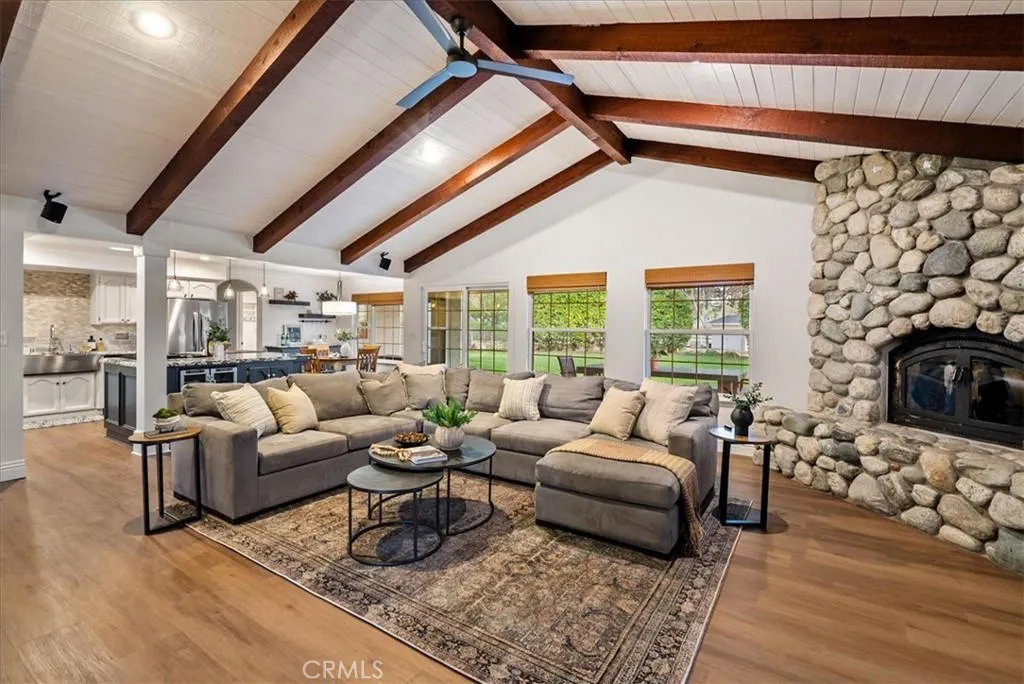
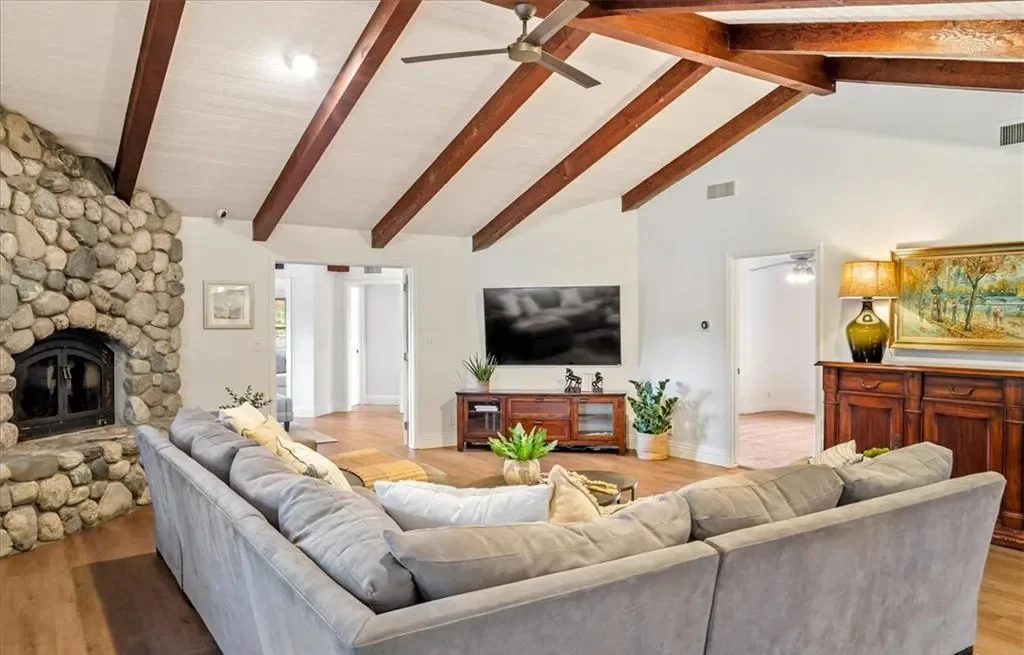
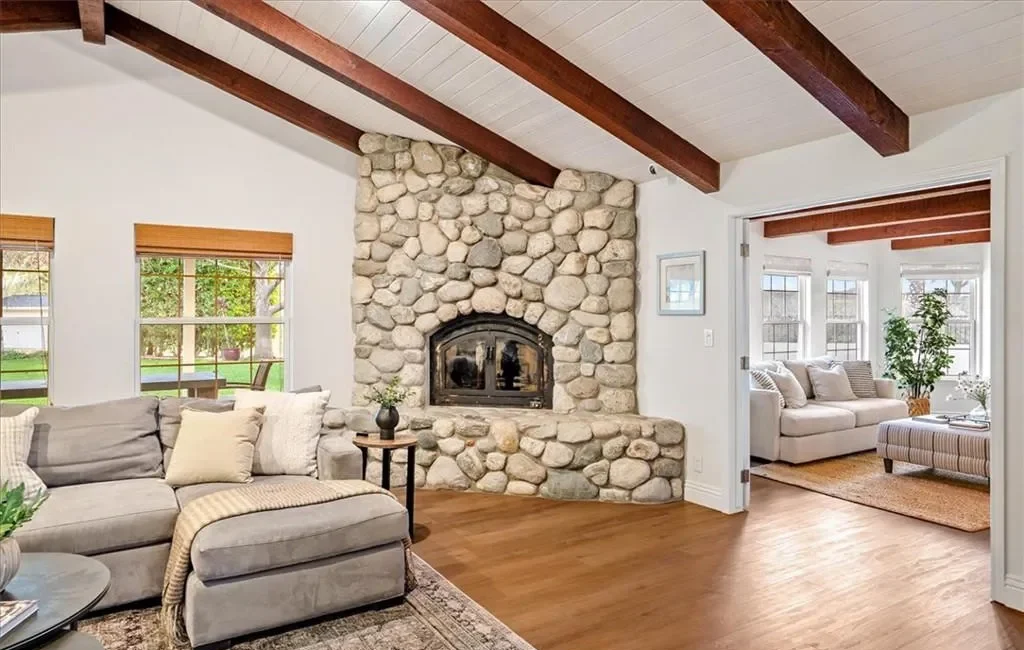
Robles Ranch Mental Health is located on a private estate in Paso Robles in California. Located in a highly private and serene location for healing and mental clarity.

We Help Clients Make Their Lives Better

Google
Dallas Terrell profile picture
Dallas Terrell
Google star 1Google star 2Google star 3Google star 4Google star 5Trustindex verifies that the original source of the review is Google.
Will, and the whole team of pysch techs are experienced and compassionate. I have been to the facility a few times and met their whole team, love what they are doing for the community! I wish there were 8 more facilities like this in the area!!
Google
Carly Jo Brigantino profile picture
Carly Jo Brigantino
Google star 1Google star 2Google star 3Google star 4Google star 5Trustindex verifies that the original source of the review is Google.
This beautiful serene retreat is everything you need. Settled in the beautiful town of Paso Robles makes it even more special. The staff was another plus here they were awesome!!
Google
Alli Maisonneuve profile picture
Alli Maisonneuve
Google star 1Google star 2Google star 3Google star 4Google star 5Trustindex verifies that the original source of the review is Google.
Would definitely recommend Robles Ranch!! Cheree & her team are awesome.